Accessory Dwelling Units (ADUs) are no longer a niche concept on the Central Coast. They have become a practical, mainstream solution for homeowners in Monterey County seeking to add space, value, or housing for family. As we look toward 2026, the conversation is shifting from if an ADU is possible to how it should be designed and built to meet local challenges.
This article details the 5 ADU trends Central Coast homeowners should know in 2026. We will focus on what these trends mean for your project's design, budget, timeline, and permitting strategy. Factors unique to our area, such as coastal climate conditions and local zoning ordinances, shape how successful ADU projects are planned and executed.
We will explore how ADUs are now a mainstream housing solution and why local Monterey County rules still matter. We will also cover how the desire to stay put is driving ADU demand and how these projects often trigger broader home upgrades. Finally, we will explain why an experienced contractor is essential for avoiding costly surprises.
1. ADUs Are Now a Mainstream Housing Solution
The era of viewing Accessory Dwelling Units as a fringe addition is over. In 2026, ADUs have cemented their place as an integrated strategy for adding functional living space and long-term value to properties across the Central Coast. This shift from an "afterthought" to a primary housing solution is a significant trend.
This is a data-backed reality. With ADUs accounting for roughly one out of every five new housing permits in California, they represent a fundamental change in how homeowners approach property development. Homeowners no longer view them as fringe projects but as a practical way to add usable space.
What This Mainstream Shift Means for Homeowners
For homeowners in Monterey County, this trend is driven by a simple reality: the need for flexible, accessible, and practical living space. Whether planning for aging parents, creating a home for adult children, or generating rental income, ADUs provide a direct solution on land you already own.
This widespread acceptance has tangible benefits for your project:
- More Established Processes: Local planning departments now have more standardized procedures for reviewing and approving ADU applications, reducing administrative uncertainty.
- Greater Lender and Appraiser Familiarity: Financial institutions and appraisers are more sophisticated in how they value properties with permitted ADUs, making financing easier.
- A Focus on Quality and Integration: The focus is now on thoughtful design, seamless integration, and creating a unit that complements the primary residence and the neighborhood.
From Novelty to Necessity
The move to the mainstream is best understood through common applications across Monterey County:
- The Multigenerational Hub: A family builds a detached ADU for aging parents, allowing them to live independently while remaining close for support.
- The Young Professional Launchpad: A homeowner converts their garage into an ADU, providing an affordable living space for their recently graduated child.
- The "Work-from-Home" Sanctuary: A resident constructs a small ADU to serve as a dedicated home office and occasional guest suite.
Actionable Steps for a Mainstream Approach
To align your project with this trend, focus on integration from day one.
- Prioritize Cohesive Design: Work with a contractor who understands how to match architectural styles, rooflines, and exterior finishes so the ADU looks like it was always part of the property.
- Plan for Utility Demands: A professional contractor will assess your existing electrical panel, sewer line, and water supply early to prevent costly surprises.
- Think About Long-Term Use: Design for flexibility. A unit built for a family member today may become a rental property or a personal studio tomorrow.
This normalization of ADUs is a powerful advantage for Central Coast homeowners, solidifying the ADU as a practical property investment in 2026.
2. Local Rules Still Matter—Even with Statewide Changes
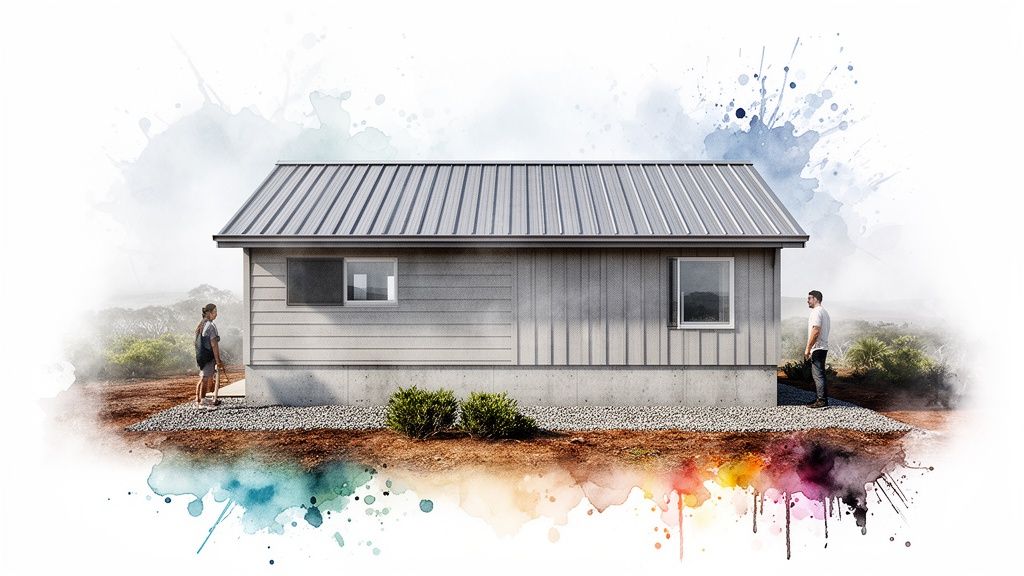
While state laws have made ADUs easier to build, local Monterey County ordinances, coastal rules, and zoning requirements still affect what’s possible. In 2026, a critical trend is that project success depends on mastering these specific local approval pathways.
Homeowners benefit from understanding these rules early to avoid redesigns or delays. A contractor's familiarity with the nuances of jurisdictions like Marina, Carmel-by-the-Sea, or unincorporated county land is a key advantage. An architect or builder unfamiliar with these local processes can cause significant setbacks.
What This Focus on Local Strategy Means for You
For homeowners on the Central Coast, an ADU is both a construction project and an administrative one. A contractor’s ability to navigate specific requirements efficiently is a primary factor in keeping your project on time and on budget.
This focus provides tangible benefits:
- Reduced Permitting Delays: A contractor with a deep understanding of local pathways can prepare and submit an application package that gets approved faster.
- Proactive Design Compliance: Knowledge of specific local rules, such as Carmel-by-the-Sea’s strict design requirements, allows a contractor to advise you on what is feasible before plans are drawn.
- Accurate Feasibility Assessments: Understanding Monterey County’s septic capacity and density requirements is crucial for proper ADU placement and can prevent roadblocks months into the process.
Real-World Scenarios
The value of this hyper-local expertise is clearest in real-world challenges:
- The Unincorporated County Project: A contractor investigates septic system capacity and well water output, as these are common deal-breakers for ADU permits in unincorporated Monterey County.
- The Coastal Zone Challenge: An experienced local contractor understands the additional review layers required by the Coastal Commission and prepares the application accordingly.
- The In-City Fast Track: A knowledgeable builder is aware of a city’s expedited review process for certain ADU types, saving the client months in permitting time.
Actionable Steps for a Strategic Approach
Vet potential contractors based on their local procedural knowledge.
- Ask Jurisdiction-Specific Questions: Ask: "How many ADUs have you permitted in the City of Monterey?" or "What are the biggest challenges with unincorporated county permits?"
- Request a Pre-Project Feasibility Study: Before signing a construction contract, your builder should confirm zoning, check for easements, and summarize key ADU requirements for your address.
- Confirm Their Process for Coordination: A strategic contractor will recommend a pre-application meeting with local planning staff to clarify requirements from the start.
By prioritizing a contractor's local permitting expertise, you transform a potential source of stress into a streamlined part of your ADU project.
3. Staying Put Is Driving ADU Demand
As more homeowners choose to renovate rather than move, ADUs are increasingly used for multigenerational living, guest space, or rental income. This trend allows families to add functionality without giving up a familiar neighborhood.
The desire for efficiency and predictable timelines is also driving the adoption of prefabricated and modular construction. This approach moves much of the building process off-site, offering a compelling alternative to traditional construction for the right properties.
What This Trend Means for You
For homeowners in Monterey County, this trend addresses the core need for adaptable living space on a property you already own and love. It avoids the high costs and uncertainty of the real estate market.
An ADU provides a solution that grows with your family's needs:
- Support for Multigenerational Living: An ADU can provide an independent, accessible home for aging parents or adult children, keeping the family close while maintaining privacy.
- Flexible Guest and Work Space: It can serve as a dedicated guest house or a home office, separating personal and professional life without requiring an addition to the main house.
- Potential for Rental Income: A well-designed ADU can generate supplemental income, helping to offset mortgage payments or other living expenses.
From Concept to Reality
This trend is playing out across the Central Coast in practical ways:
- The Aging-in-Place Suite: A family adds a ground-floor ADU with universal design features, ensuring a safe and comfortable home for grandparents.
- The Post-College Apartment: Homeowners build a small ADU to give their adult child a private, affordable place to live while starting their career.
- The Hybrid Office/Guest Quarters: A remote worker builds an ADU that functions as a professional office during the week and a welcoming space for visitors on weekends.
Actionable Steps to Meet Your Needs
To ensure your ADU meets your goals, a structured approach is essential.
- Define Your Primary Goal: Clearly identify the main purpose of the ADU. Is it for family, rental income, or personal use? This decision will guide the entire design process.
- Plan for Long-Term Flexibility: Consider how the use of the ADU might change over the next 10–15 years. Design a layout that can adapt to different needs.
- Assess Site and Utility Capacity: Work with a contractor to confirm your property can support another dwelling, including access to sewer, water, and electrical services. You can learn more about what to expect in a professional construction process.
By adding an ADU, homeowners can adapt their existing property to meet new life stages, making it a practical and valuable long-term investment.
4. ADUs Often Trigger Broader Home Upgrades
Building an ADU is rarely an isolated project. It often involves utility upgrades, electrical changes, or reconfiguring existing space. This trend highlights how an ADU can become a catalyst for a broader whole-house remodel or garage conversion, where careful coordination is critical.
This overlap happens because adding a new, independent dwelling places new demands on a property's existing infrastructure. For example, your current electrical panel may not have the capacity to serve both the main house and a new ADU, requiring an upgrade for the entire property.
What This Overlap Means for You
For homeowners, recognizing this connection early in the planning process is essential for managing budget and timeline expectations. It prevents the surprise of discovering that a "simple" ADU project requires a significant and costly upgrade to your main home's systems.
Viewing the ADU as part of a larger property-wide plan provides several advantages:
- Improved Efficiency: It is more cost-effective to upgrade systems like electrical or plumbing once for both structures, rather than doing it piecemeal.
- Greater Cohesion: Planning the projects together ensures the ADU and any related remodels feel integrated in terms of design, materials, and functionality.
- Future-Proofing Your Entire Property: Upgrading infrastructure not only supports the ADU but also increases the capacity and value of your main residence.
Practical Scenarios on the Central Coast
This trend is common in projects across Monterey County:
- The Garage Conversion and Kitchen Remodel: A homeowner converts their garage into an ADU. The project expands to include remodeling the adjacent kitchen to improve the flow and create a shared outdoor living space between the two units.
- The Detached ADU and Electrical Service Upgrade: Building a new ADU reveals the main house's electrical panel is outdated. The project scope grows to include a full service upgrade, benefiting both dwellings with safer, more robust power.
- The JADU and Bathroom Renovation: Creating a Junior ADU (JADU) inside the main house requires reconfiguring an existing bathroom. The homeowner decides to fully renovate that bathroom at the same time, maximizing the contractor's time on-site.
Actionable Steps for an Integrated Project
To manage this trend effectively, adopt a holistic view of your property.
- Start with a Whole-Property Assessment: Before focusing on the ADU alone, have your contractor evaluate your property's key systems—electrical, plumbing, and sewer—to identify any necessary upgrades.
- Create a Phased Master Plan: If you envision other remodels in the future, create a master plan. This ensures the ADU construction doesn't interfere with or complicate future work.
- Budget for System Upgrades: Acknowledge that infrastructure upgrades may be a required part of the ADU project and include them in your initial budget to avoid financial strain later.
Understanding that an ADU can trigger wider upgrades allows for smarter, more comprehensive planning, leading to a more cohesive and valuable result for your entire property.
5. Experience Reduces Costly Surprises
An ADU is a full construction project with permits, inspections, and multiple trades. In 2026, homeowners recognize that working with a contractor experienced in ADU construction is the most effective way to avoid scope gaps, scheduling issues, and compliance problems.
This trend is a direct response to the complexity of infill construction. Building a small home on an existing, occupied property presents unique challenges that are different from building a new house on an empty lot. An experienced general contractor knows how to manage these variables from the start.
Why ADU-Specific Experience Matters
For Central Coast homeowners, a contractor’s specific experience with ADU projects provides critical advantages that reduce risk and improve project outcomes.
This experience directly impacts your project in several ways:
- Accurate Cost and Timeline Projections: An experienced ADU builder understands the true scope of work, from site prep to final finishes, leading to more reliable budgets and schedules.
- Efficient Problem-Solving: They can anticipate common issues, like uncovering unexpected soil conditions or navigating tight site access, and have proven solutions ready.
- Seamless Trade Coordination: They have an established network of subcontractors who are familiar with the pace and requirements of ADU construction, preventing delays.
The Difference Between Experience and Inexperience
The value of experience is clear when comparing project scenarios:
- The Experienced Approach: A contractor conducts a thorough site assessment, identifies a potential sewer line conflict early, and adjusts the ADU’s foundation plan before submitting for permits, saving thousands in redesign fees.
- The Inexperienced Approach: A builder begins excavation without confirming utility locations, damages a water line, and causes a multi-week delay and unexpected repair costs for the homeowner.
- The Experienced Approach: A contractor who has built dozens of ADUs in Monterey County knows the local inspection sequence perfectly, ensuring each stage is signed off without delay.
- The Inexperienced Approach: A contractor misses a required inspection, forcing them to undo completed work and causing a frustrating and costly setback.
Actionable Steps for Vetting a Contractor
To ensure your contractor has the right experience, ask targeted questions.
- Ask for an ADU-Specific Portfolio: Request to see examples of completed ADUs that are similar in size and style to your project.
- Inquire About Their Process: Ask them to walk you through their step-by-step process for an ADU project, from initial feasibility study to final inspection.
- Check References from ADU Clients: Speak with past clients who built an ADU with them. Ask specifically about how the contractor handled unforeseen challenges and communication.
An ADU is a significant investment. Partnering with a professional construction firm with a proven track record in ADU projects is the surest way to protect that investment and achieve a successful outcome. To better understand what you can build and what to expect, explore this Monterey County guide to ADUs in 2026.
Frequently Asked Questions (FAQs)
1. How long does it take to build an ADU in Monterey County?
Timelines vary based on complexity, jurisdiction, and site conditions. Generally, you should plan for 3-6 months for design and permitting, followed by 6-9 months for construction for a traditional, site-built ADU.
2. Does an ADU increase my property taxes?
Yes. Your property will be reassessed after the ADU is completed, but only the value of the new construction is added to your existing assessment. The property tax on your primary home will not change.
3. Can I build an ADU on a property with a septic system?
It depends. The Monterey County Health Department must determine if your existing septic system has enough capacity to handle the additional load from an ADU. In some cases, a new or expanded septic system may be required.
4. What is the difference between an ADU and a JADU?
An ADU (Accessory Dwelling Unit) can be a detached, attached, or converted structure up to 1,200 sq. ft. A JADU (Junior Accessory Dwelling Unit) must be created within the existing walls of the primary residence, cannot exceed 500 sq. ft., and may share a bathroom with the main house.
5. Are there restrictions on renting out my ADU?
State law prohibits jurisdictions from requiring owner-occupancy for ADUs built between January 1, 2020, and January 1, 2025. However, local rules can change, and short-term rentals (less than 30 days) are often restricted in many Monterey County cities. Always check current local ordinances.
Ready to turn these trends into a tangible plan for your property? A process-driven approach is key to navigating ADU construction successfully. Contact Palacios Construction to discuss how our expertise as a professional home remodeling and construction firm in Monterey County can bring clarity and confidence to your project.