

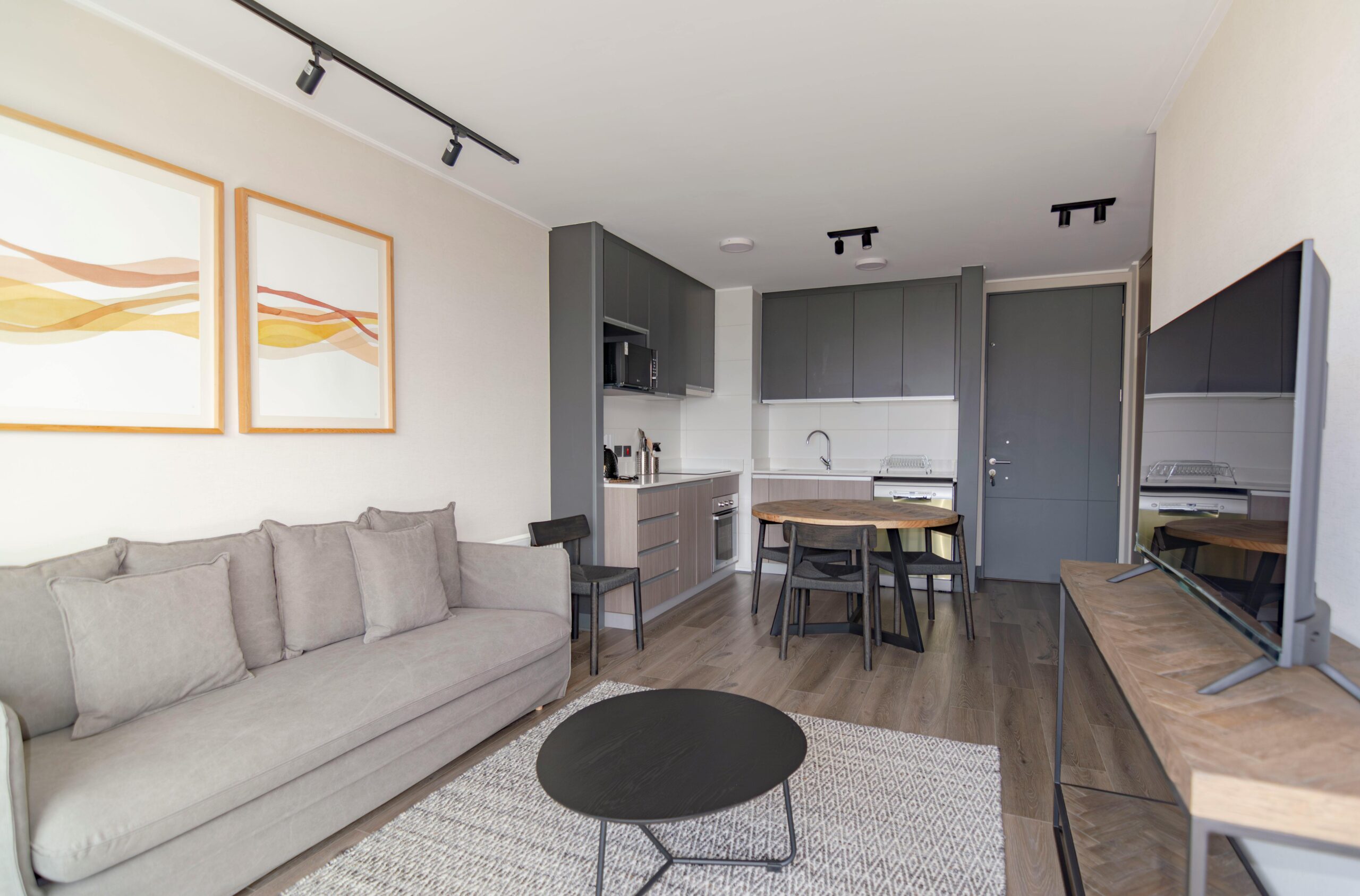
If you’re a homeowner in Monterey County and you’ve been thinking about adding an ADU in 2026, you’re not alone. Accessory Dwelling Units are still one of the best ways to add living space, create rental income, or make room for family without moving.
But here’s the part most people don’t realize. California ADU rules are state driven, and the state has tightened things up so cities and counties cannot slow-walk ADUs with random requirements the way they used to. The details still matter though, especially on setbacks, height, fees, and rentals.
This guide is based on current California ADU law and the official state handbook, with Monterey County considerations where it matters.
California HCD ADU Handbook: https://www.hcd.ca.gov/policy-and-research/accessory-dwelling-units
First, what counts as an ADU in California?
ADU (Accessory Dwelling Unit):
A second dwelling on a residential property with its own kitchen, bathroom, and sleeping area. It can be detached, attached, or a conversion. Garage conversions are very common.
JADU (Junior ADU):
A smaller unit created within the existing home that has an efficiency kitchen and a separate entrance. It may share a bathroom depending on design.
Big 2026 reality: California makes cities approve ADUs ministerially
In simple terms, if your ADU meets objective standards, it is supposed to be approved without discretionary hearings. This is written directly into state law.
California Government Code 65852.2:
https://leginfo.legislature.ca.gov/faces/codes_displaySection.xhtml?sectionNum=65852.2.&lawCode=GOV
Also important. For most ADUs, the city or county must act within 60 days once they receive a complete application.
ADU size, height, and setbacks
This is what most homeowners ask first.
Size
- Detached ADUs can be up to 1,200 square feet under state law.
- Cities and counties cannot use lot coverage, floor area ratio, open space, or front setback rules to stop you from building at least an 800 square foot ADU if it meets the basic state requirements.
Setbacks
The standard state baseline is 4 feet from the side and rear property lines for many ADUs. Local rules can apply, but they cannot use setbacks to block an otherwise legal ADU.
Height
Height allowances vary depending on location, proximity to transit, and whether the ADU is attached or detached. The state sets minimum allowances that cities must follow.
In Monterey County, height can be influenced by zoning, coastal rules, slope, and fire requirements, but the state minimums still apply.
Can you rent an ADU short term in California?
This is very important for Monterey.
California law allows cities and counties to prohibit ADUs and JADUs from being used as short-term rentals. Many local jurisdictions require rentals to be 30 days or longer.
Translation. In most cases, plan on long-term rental, not Airbnb.
Always verify with your specific city. Monterey, Pacific Grove, Carmel, and surrounding areas all have their own short-term rental ordinances.
Owner occupancy rules in 2026
ADUs
There is no owner occupancy requirement for ADUs under current state law.
JADUs
This is where recent law changes matter.
AB 1154 updated the rules. Owner occupancy is only required if the JADU shares a bathroom with the main home. If the JADU has its own bathroom, owner occupancy generally cannot be required.
Bill text:
https://leginfo.legislature.ca.gov/faces/billTextClient.xhtml?bill_id=202120220AB1154
This is a big change and gives homeowners more flexibility.
Impact fees and what you actually pay
The 750 square foot rule
State law says no impact fees can be charged on ADUs under 750 square feet.
If the ADU is 750 square feet or larger, impact fees may apply but they must be proportional.
SB 543 update
SB 543 further clarified fee rules.
- No impact fees on ADUs 750 square feet or smaller
- No impact fees on JADUs 500 square feet or smaller
Bill text:
https://leginfo.legislature.ca.gov/faces/billTextClient.xhtml?bill_id=202320240SB543
Local Monterey County reality
Even when impact fees are limited, you may still see:
- plan check fees
- permit fees
- utility connection or upgrade costs
Water, sewer, and electrical can be big cost drivers in Monterey County depending on your site.
ADU types that make the most sense in Monterey County
Garage conversions
Usually the fastest and most cost effective path if the layout works.
Detached backyard ADUs
More privacy. More flexibility. Higher cost because it is basically a small house.
JADUs inside the home
Often the most budget friendly option if the layout allows for a separate entrance and smart design.
Your lot layout, access, parking, utilities, and zoning will decide what is realistic.
Simple ADU checklist for Monterey homeowners
- Confirm your property is eligible
- Choose the ADU type
- Decide on size with the 750 square foot rule in mind
- Design the layout
- Plan utilities early
- Submit a complete application so the 60 day clock starts
- Build with durability in mind, especially in coastal conditions
ADU FAQ
How big can an ADU be in California?
Up to 1,200 square feet for a detached ADU. At least 800 square feet must be allowed under state law.
Do I have to live on the property?
No owner occupancy requirement for ADUs under state law.
Can I Airbnb my ADU?
Many cities restrict ADUs to rentals over 30 days. Always check your local ordinance.
How fast does the city have to approve?
Typically within 60 days after a complete application.
Do ADUs pay impact fees?
No impact fees under 750 square feet. Proportional fees above that.
Final thoughts
If you are a homeowner in Monterey County, ADUs are still one of the smartest ways to add value and flexibility in 2026. The key is doing it right. Correct unit type. Correct size. Correct layout. No surprises with utilities or fees.