
Many homeowners in Monterey County are hearing about accessory dwelling units and wondering if they can add one to their property for family, rental income, or multigenerational living. Eligibility is not automatic; it depends on specific factors like zoning, lot size, available setbacks, existing utilities, water allocations, and local building regulations. Skipping a feasibility check on these items can lead to costly design changes or project delays.
Clarifying Your ADU Eligibility
Many homeowners are hearing about accessory dwelling units and wondering if they can add one to their property. The question usually comes up when people want extra space for family, rental income, or multigenerational living.
But eligibility depends on several factors like zoning, lot size, and local regulations.
The Rise of ADUs in California
Interest in ADUs is increasing rapidly across California. According to the California Department of Housing and Community Development, the state issued over 113,000 ADU permits between 2017 and 2023.
ADUs now account for a meaningful share of new housing statewide. Monterey County has also adopted updated ADU rules to make approvals easier, particularly in coastal zones.
Because of these changes, many homeowners who previously assumed an ADU wasn’t possible are now discovering their property may qualify.
Common Missteps in ADU Planning
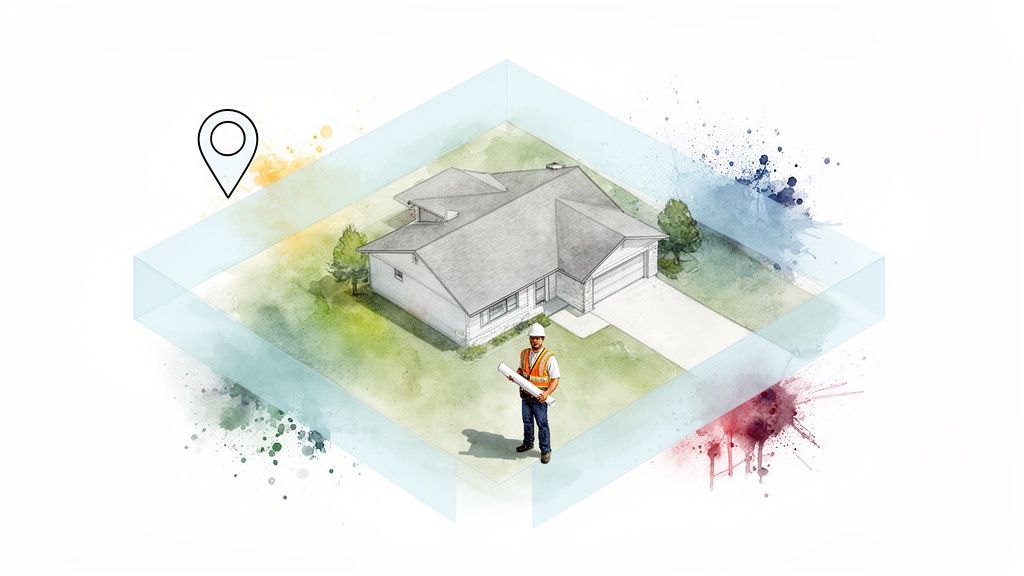
A common assumption is that if there’s space in the backyard, an ADU can automatically be built.
In reality, eligibility often depends on several requirements:
- Zoning classification of the property
- Available setbacks and property line spacing
- Existing utilities and infrastructure
- Water credits or plumbing limitations (especially on the Monterey Peninsula)
- Local building codes and permitting requirements
Skipping these checks early can lead to costly design changes or delays later. For a full breakdown of the rules for 2026, check out our complete Monterey County guide to ADUs.
Core Factors That Determine ADU Feasibility
A reliable approach is to evaluate feasibility before designing the project. This means confirming what your property will allow before you invest in plans. After you get a handle on zoning, mastering the building permit process is the next big step on the journey.
1. Zoning and Setbacks
The first step is confirming your property’s zoning. Every property in Monterey County has a code, like R-1 for Single-Family Residential.
Thanks to state laws, if your property is zoned for a single-family home, you are almost certainly eligible for at least one ADU.
Next are setbacks—the required empty space between a structure and your property lines. California law now requires a minimum of only four feet for side and rear setbacks.
2. Lot Size and Site Conditions
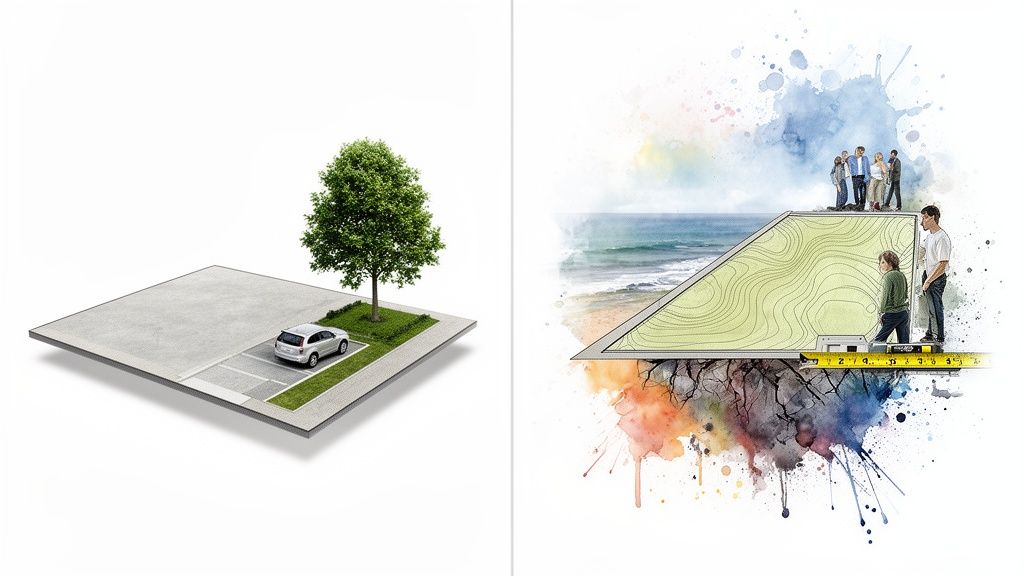
The physical characteristics of your lot also play a major role. A flat, rectangular lot is simpler to build on than a sloped or irregularly shaped one.
A steep slope can require expensive excavation, retaining walls, and specialized foundations. Building on a hillside demands more engineering and site preparation.
Existing trees, sheds, or underground utility lines are also obstacles to design around. Before setting a budget, it’s wise to understand all factors that influence how much an ADU costs in Monterey, CA.
3. Utilities and Water Access
Every ADU needs water, sewer (or septic), and electricity. A common mistake is assuming your existing utilities can handle the extra load.
You might need to upgrade your main electrical panel or water line to meet the new demand.
For homes in areas like Carmel Valley or parts of Salinas with septic systems, adding an ADU almost always requires a system expansion or a new one, which needs separate approval from the Monterey County Health Department.
Water access is another tightly controlled resource, especially on the Monterey Peninsula. You must confirm you have enough water credits for a new dwelling.
A Phased Approach to ADU Feasibility
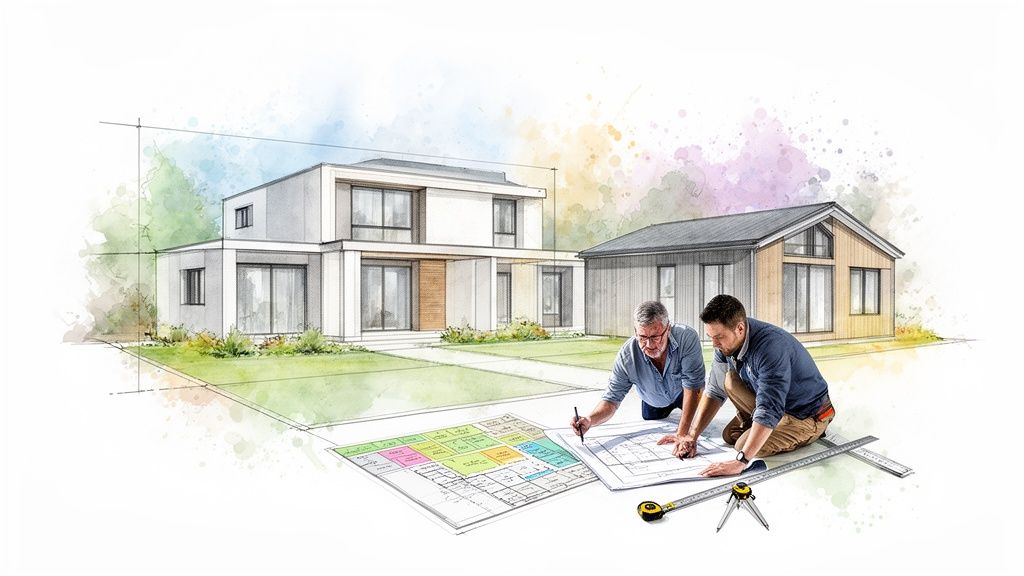
Many homeowners start with a zoning review or feasibility check before moving forward with plans. This ensures they know what size and type of ADU their property can realistically support.
This decision tree gives you a visual of the hurdles you need to clear, from utilities and special zones to parking. You can discover more insights about the steps to building an ADU on elmntl.io.
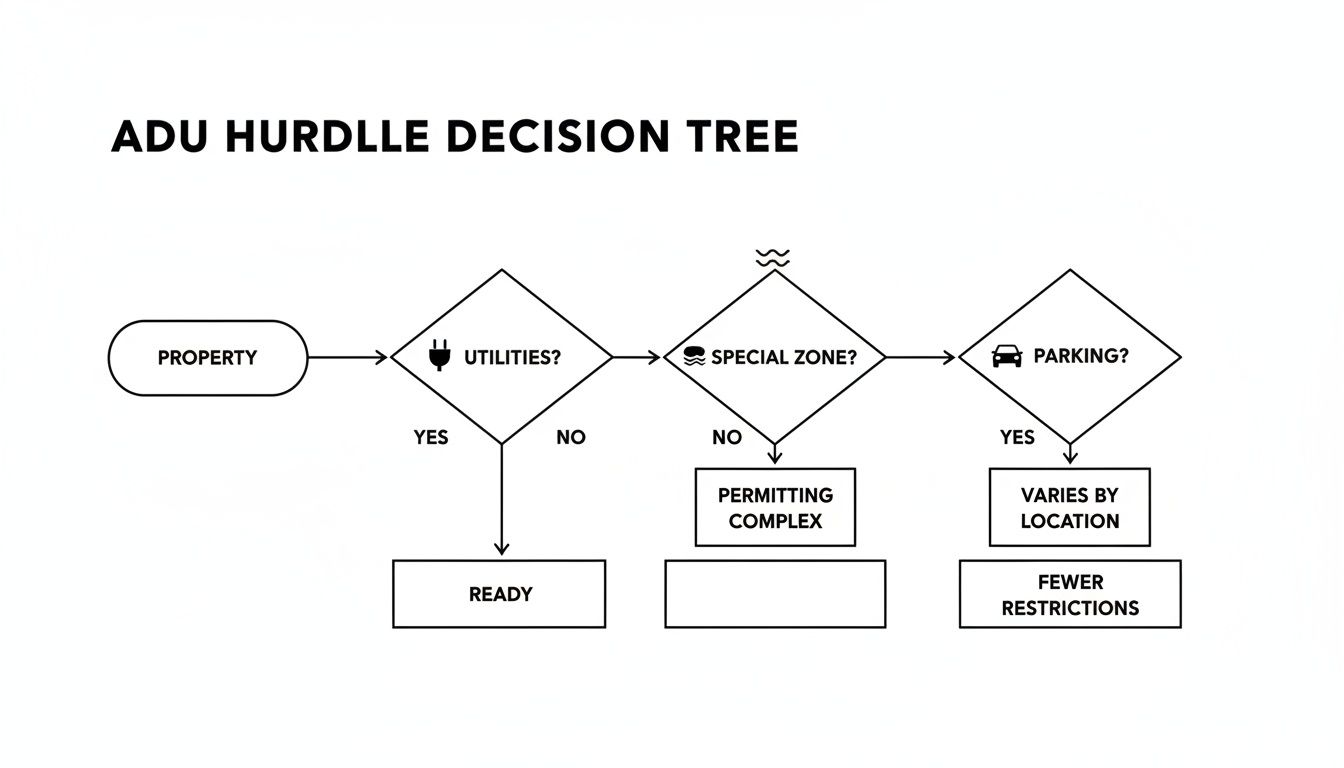
Phase 1: Online Research
You can start by gathering official information about your property.
- Find Your Zone: Visit your city’s website or the Monterey County Planning Department to find your property’s zoning code.
- Review ADU Rules: Search for the local ADU ordinance to understand size, height, and setback limits.
- Check for Special Zones: See if your property is in a Coastal Zone, historic district, or hillside area, which come with extra rules. To learn more, read our guide to find out if you need permits to build an ADU in Monterey County.
Phase 2: On-Site Investigation
Next, head outside to look at your property with a contractor’s eye.
- Measure Setbacks: Measure four feet from your side and rear property lines to visualize your buildable area.
- Spot Potential Locations: Identify logical spots for a detached ADU, considering privacy and access.
- Find Utility Connections: Locate your electrical panel, water meter, and sewer cleanout. Proximity affects cost.
- Assess Site Challenges: Note any large trees, steep slopes, or other obstacles in the buildable area.
This initial check helps you have a productive, well-informed conversation with a professional. Our experience with design and pre-construction planning in Monterey has taught us that you have to design around these constraints from day one.
How a Contractor Clarifies the Path Forward
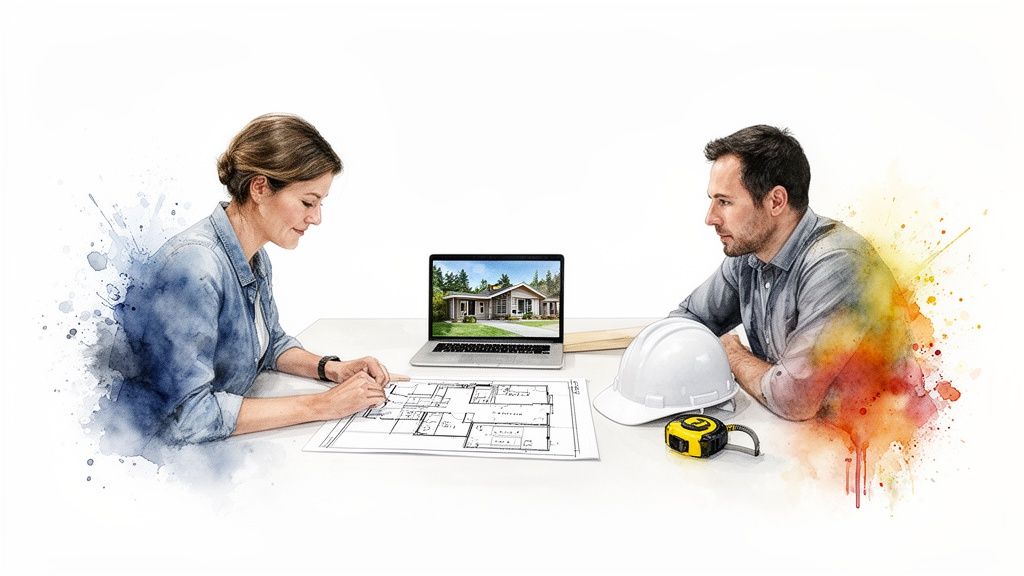
For homeowners exploring ADU construction, working with a licensed general contractor can help clarify feasibility early in the process.
Contractors familiar with local permitting can identify common issues such as water credits, coastal regulations, and inspection requirements before construction planning begins.
This professional check confirms you have a viable project before you invest in architectural plans. An experienced contractor doesn't just build; they problem-solve.
Addressing Local Monterey County Challenges
A contractor with local experience knows how to handle site-specific issues common in our area.
- Coastal Zone Rules: We know the materials and methods needed for projects in Carmel and Pacific Grove to withstand salt air and pass Coastal Commission review.
- Water Credits: On the Monterey Peninsula, we can help you navigate the complex process of securing water allocations for a new unit.
- Hillside Conditions: For sloped properties, a contractor brings in engineers to design safe foundations and retaining walls appropriate for the site.
This local knowledge is the difference between a project with constant delays and one that moves forward smoothly. Learning why hiring a licensed general contractor actually matters can provide more insight.
Palacios Construction approaches ADU projects with clear planning and realistic budgeting so homeowners understand the project's scope before it begins.
Across Monterey County—from Monterey and Pacific Grove to Carmel Valley and Salinas—interest in ADUs continues to grow. If you’re considering an ADU, understanding what your property allows is the first step.
Frequently Asked Questions About ADUs
What’s the difference between an ADU and a guest house?
An Accessory Dwelling Unit (ADU) is a legal, secondary home on your property with its own kitchen and bathroom that can be rented long-term. A guest house is typically defined as a temporary space for visitors, cannot have a full kitchen, and cannot be rented.
How big can my ADU be in Monterey County?
State law allows an ADU of at least 800 square feet. Many local jurisdictions in Monterey County permit detached ADUs up to 1,200 square feet, depending on your lot size and zoning. Attached ADUs are usually limited to 50% of the main home's square footage.
Do I need an extra parking space for my ADU?
Usually not. You do not need to add parking if your property is within a half-mile of public transit, in a historic district, or if the ADU is part of an existing structure conversion. These exemptions cover many properties in Monterey County.
Can I build an ADU if I have a septic system?
Yes, but it requires additional review. Your septic system must be assessed by an engineer and approved by the Monterey County Health Department to handle the extra load. This may require expanding your system or installing a new one.
Can I rent out my ADU?
Yes, state law allows you to rent your ADU for long-term housing (terms of 30 days or more). However, many cities in Monterey County prohibit using ADUs for short-term rentals like Airbnb, so always check your local ordinance.
Understanding what determines whether you can build an ADU on your property is the first step. The next is partnering with a professional who can navigate the complexities of local regulations and bring your project to life. For Professional Home Remodeling and Construction in Monterey County, contact Palacios Construction to discuss your project. Learn more about our process at palaciosconstructionca.com.