Quick Answer
A second story addition can be a practical way to gain space without expanding into your yard, but it only works when the existing house, foundation, site, and local zoning can support it. In Monterey County, the primary work starts with structural review, permit planning, and material choices that hold up in coastal conditions.
If you're in a house that no longer fits your family, but you don't want to leave the neighborhood, adding up is usually the first idea that comes up. It can be the right move, but in Monterey County it has to be approached as a structural project first, not just a layout project.
A second story addition affects the foundation, framing, roof, mechanical systems, permit path, and long-term weather performance of the home. Done correctly, it adds usable space and protects the value of the property. Done casually, it creates delays, change orders, and problems that show up years later.
Is a Second Story Addition Feasible for Your Home

The first question isn't how big you want the new floor to be. The first question is whether the house can carry it.
Most homes need structural reinforcement before a second level is added, including new beams and posts. In seismic regions like Monterey County, engineers also need to specify shear panels, hold-down hardware, and foundation anchoring, and that assessment and design work can take up to three months before permits are filed (Mares & Dow, 2023).
What gets checked first
A proper feasibility review usually starts with these items:
- Foundation condition: Cracks, movement, age, and the likely size and depth of the existing footing all matter.
- Wall and framing layout: The engineer wants to see where loads can transfer down safely.
- Roof structure: The existing roof will be altered or removed, so the framing plan has to account for that.
- Floor plan below: Stair location, bearing walls, and room arrangement all affect what can be built above.
- Site access: Tight lots in Monterey, Pacific Grove, and Carmel-by-the-Sea can make staging, material delivery, and debris removal harder.
- Slope and soil: Hillside properties in places like Carmel Valley need closer review because the structure and drainage both become more demanding.
If a house is older, that doesn't automatically rule out a second story addition. It does mean you need clear answers early.
Practical rule: Never treat the foundation review as a formality. If the engineer finds a problem late, the project gets slower and more expensive fast.
Monterey County conditions change the answer
National articles usually talk about square footage and style. Locally, the answer often turns on conditions you can't see from the street.
Older homes may not have the anchoring or lateral resistance needed for current code. Coastal properties deal with moisture and salt exposure. Some neighborhoods have access constraints that affect equipment and labor sequencing. On hillside lots, drainage and retaining conditions may influence the design just as much as the framing plan.
A garage-top addition can sometimes be a cleaner path than building over the full house. A full second story can make sense when the footprint and structure support it, but partial additions are often easier to integrate when the goal is one or two bedrooms, an office, or a private suite.
Feasibility is also about the systems
The structure isn't the only issue. Existing HVAC equipment often isn't sized for the new upper floor, and routing ducts, vents, and electrical upgrades through an occupied home takes planning.
Plumbing matters too. If you're adding a bathroom upstairs, the stack locations and framing depth below become important right away. Moving wet areas far from existing plumbing usually pushes the project into a more complex category.
A realistic feasibility review answers four questions:
| Question | Why it matters |
|---|---|
| Can the structure support the addition | This determines whether reinforcement is minor or extensive |
| Can the layout work | Stair placement and load paths affect both floors |
| Can the site handle construction | Access, staging, and slope affect logistics and schedule |
| Can the budget match the scope | Structural and system upgrades drive decisions early |
If those answers are solid, the project can move into design with fewer surprises.
Understanding the Costs of a Second Story Addition
The cost of a second story addition isn't driven by square footage alone. The biggest budget swings usually come from structural work, mechanical upgrades, finish level, and how complicated the design is to build on the existing house.
If you keep the layout efficient and the new work aligned with the structure below, the project is easier to control. If the plan requires major foundation upgrades, large spans, relocated utilities, or several plumbing-heavy rooms, the cost climbs quickly.
What actually drives the budget
These are the categories that usually shape the final number most:
- Structural reinforcement: Foundation upgrades, beams, posts, shear work, and framing changes.
- Scope of work: A partial second story is different from building over the full footprint.
- Room type: Bedrooms are simpler than bathrooms and laundry areas because plumbing and ventilation add work.
- Roof reconstruction: The existing roof has to be removed, reframed, and tied back in correctly.
- Mechanical and electrical updates: Panel capacity, HVAC sizing, duct routing, and new circuits all matter.
- Finish level: Windows, siding, flooring, tile, trim, and fixtures all shift the budget.
- Soft costs: Plans, engineering, energy compliance documents, permits, and inspections need to be accounted for from the start.
One design decision can change several trades at once. Putting a bathroom over an existing bathroom is usually more straightforward than placing it over a living room and forcing longer plumbing runs and more framing coordination.
The least expensive-looking plan on paper often stops being the least expensive once structure and utilities are mapped out.
Value matters, but it shouldn't be the only reason
Nationally, homeowners who add a second story see an average return on investment of around 65% at resale (HomeAdvisor, 2024). That's useful context, but it shouldn't replace project-specific planning.
For most owners, the primary value comes from staying in a location they already like while improving the way the house functions. In Monterey County, that often means keeping yard space, avoiding a move, and making an older house work better for long-term living.
Good budgeting starts with priorities
Before design gets too far, it helps to rank the must-haves:
- Space needs: Bedrooms, office, bathroom, family room, or a primary suite.
- Disruption tolerance: Some families can relocate during parts of the work. Some can't.
- Finish expectations: Durable and simple can perform better than trying to match every trend.
- Future plans: If you're staying long term, invest in structure and envelope quality first.
A clear estimate should show where the money is going and where the risk sits. If a proposal feels vague around structural scope, allowance-heavy on finishes, or unclear on permit responsibility, that's where problems start.
Navigating Monterey County Zoning and Permits
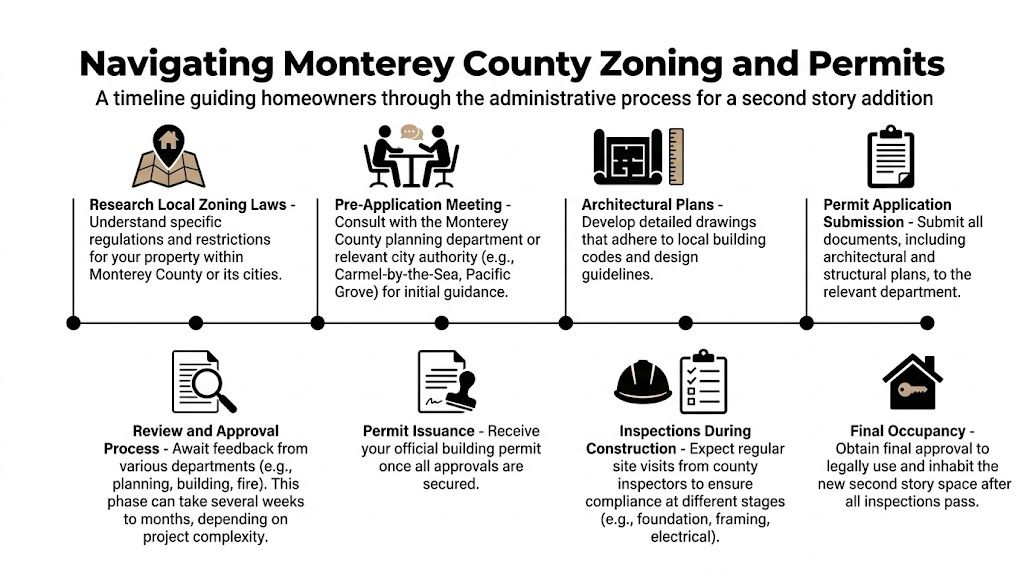
A second story addition doesn't move forward on drawings alone. It has to fit the rules for your property, your jurisdiction, and the current building code.
That matters in Monterey County because the process isn't identical everywhere. A house in the City of Monterey, an unincorporated county area, or a coastal zone location may go through different review paths and design constraints.
What gets reviewed
Most homeowners focus on the building permit, but several checks usually happen before approval:
- Zoning limits: Height, setbacks, lot coverage, and neighborhood-specific restrictions
- Building review: Structural details, life safety, egress, stair design, and framing
- MEP review: Mechanical, electrical, and plumbing permit components
- Energy compliance: California Title 24 requirements for insulation, windows, lighting, and HVAC performance
In many California cities, permit approval for a second-story addition can take about 12 weeks for agency review, and that includes review cycles tied to general building, mechanical, electrical, and plumbing permits (GreatBuildz, 2023).
For homeowners trying to line up financing, family schedules, or temporary housing, that review time needs to be treated as part of the project, not a side note.
Why plans get delayed
The most common permit problems usually come from incomplete coordination. The architectural plans may look fine, but if the structural details, Title 24 documentation, or system upgrades don't line up, comments come back and the clock keeps moving.
The value of pre-construction work becomes evident. A permit set needs to read like one coordinated package, not a group of disconnected drawings. If you're getting ready for that step, this guide on preparing for permits on a home addition in Monterey County is a useful place to start.
A permit delay usually starts in design, not at the counter.
Local review affects design choices
In Monterey County, zoning and permit realities can influence the design more than homeowners expect. Stair placement, window sizes, wall insulation thickness, exterior finishes, and even roof form can change because of code or planning review.
That doesn't mean the process is arbitrary. It means the addition has to satisfy structure, energy code, and site-specific rules at the same time.
A clean permit process usually depends on these three habits:
| Issue | What works |
|---|---|
| Zoning uncertainty | Confirm height, setbacks, and any local overlays before final design |
| Incomplete plans | Coordinate architectural, structural, and energy documents together |
| Late design changes | Make major layout decisions before submitting, not during review |
When the permit set is thorough, the field work usually goes better too. Fewer questions get pushed into construction, and that helps protect both schedule and budget.
Designing the Layout and Choosing Durable Materials
A good second story addition has to solve two problems at once. It needs to work inside the house, and it needs to hold up outside for years.
Layout decisions affect comfort every day. Material decisions affect maintenance, weather resistance, and how well the addition ages in Monterey County's fog, salt air, and temperature shifts.
Layout decisions that make the house work better
The staircase is usually the first design pressure point. If it's dropped into the wrong spot, it can break up the first floor, block circulation, and make the old house feel worse instead of better.
Good layouts usually do a few things well:
- Keep the stair connected to natural circulation instead of forcing people through a kitchen or tight corner.
- Stack plumbing where possible so bathrooms above tie into the structure and systems below more cleanly.
- Put private rooms upstairs if the goal is better separation between sleeping and living space.
- Protect ceiling height below so the first floor still feels usable after the stair and framing changes.
For many homes, a cleaner upper floor plan comes from restraint. Fewer hallways, sensible closet placement, and room groupings that match the structure below usually perform better than trying to fit every possible feature upstairs.
If you're working through design decisions before permit drawings, this article on design and pre-construction planning in Monterey for permit-ready projects covers the kind of coordination that helps avoid redesign later.
Coastal durability isn't optional
In coastal climates, poor flashing and the wrong material choices contribute to high failure rates in additions. Using marine-grade stainless steel hardware and fiber-cement siding instead of traditional wood can extend service life and reduce maintenance tied to moisture and salt air corrosion (Cedreo, 2023).
That's especially relevant in Monterey, Pacific Grove, Pebble Beach, and Carmel-by-the-Sea. The air carries moisture and salt. If flashing details are careless or dissimilar metals are combined without thought, problems can show up around fasteners, trim transitions, and openings.
Field note: Water usually gets in at the transitions. Windows, decks, roof-to-wall intersections, and wall penetrations need the most discipline.
Material choices that usually age better
A second story addition should be built as an exterior envelope first and a finish package second.
Materials worth serious consideration in this area include:
- Fiber-cement siding for better moisture resistance
- Corrosion-resistant fasteners and connectors suited to marine exposure
- High-performance windows with proper flashing integration
- Thoughtful trim and sealant details at all transitions
- Roofing and drainage details that move water away cleanly
Matching the old house exactly isn't always the smartest move if the existing materials have known maintenance problems. Sometimes the better choice is a compatible upgrade that respects the appearance of the home while improving performance.
The Construction Process What to Expect
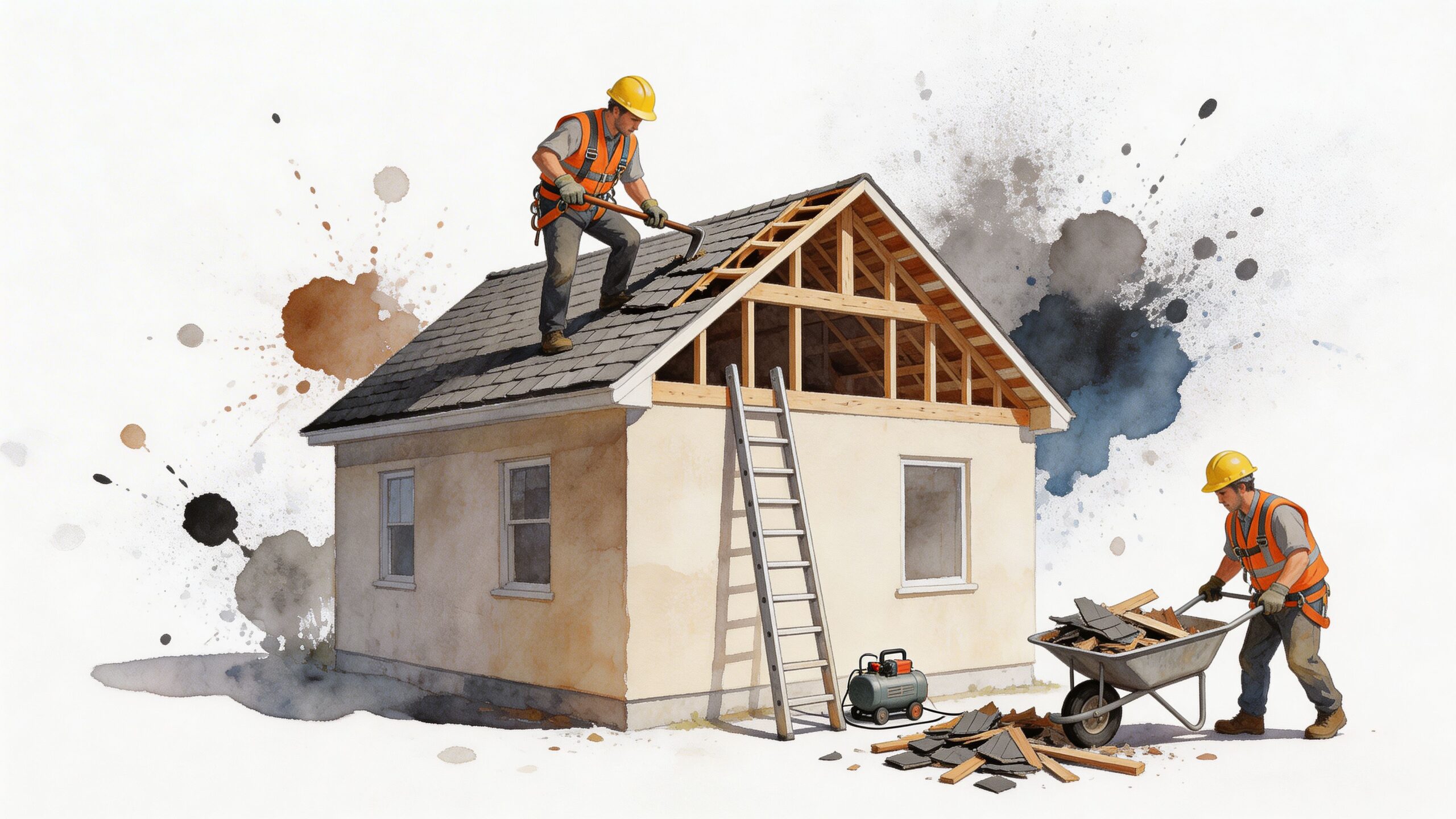
Once permits are in hand, the job becomes a sequencing exercise. The order of work matters because the house has to stay structurally stable, weather-protected, and safe while the new story is built.
Homeowners are often surprised by how fast some visible phases move and how much time the coordination phases take. Framing can change the look of the project quickly, but inspections, rough-ins, and finish integration are what determine quality.
The major phases in order
A typical second story addition usually moves through these stages:
Site preparation and protection
Access routes, dust control, safety barriers, and material staging get set first.Selective demolition
Parts of the existing roof are removed, and crews open the house in a controlled way.Structural reinforcement and framing
Posts, beams, wall reinforcement, and new floor framing go in before upper walls and roof framing.Dry-in
Roofing, sheathing, underlayment, windows, and weather barrier go on as quickly as practical to protect the structure.Rough mechanical, electrical, and plumbing
Systems are installed and inspected before insulation and drywall.Interior and exterior finishes
Drywall, trim, flooring, cabinetry, paint, siding details, and final fixtures bring the addition into usable condition.
Living through the project
Some homeowners can stay in the house for part of the work. Some need temporary relocation, especially during demolition, structural work, and periods when utilities are interrupted.
A full second story addition is not quiet work. There will be noise, crew traffic, inspections, deliveries, and parts of the home that feel temporarily out of order. Setting realistic expectations at the start helps more than trying to pretend the job will feel light.
For a broader look at construction timing on major residential work, this page on how long a whole house remodel usually takes gives useful context on how schedules are shaped by scope and coordination.
Why local experience matters more than a low bid
The hard part of a second story addition isn't just framing a new level. It's coordinating structural requirements, permit conditions, inspections, weather exposure, and existing-home surprises without losing control of the project.
That is why local experience matters. A contractor who understands Monterey County's older homes, coastal envelope details, and jurisdictional review process is usually in a better position to manage risk than someone whose price looks lower on paper but hasn't dealt with the same conditions.
Choosing the Right Contractor for Your Addition
Choosing the contractor is one of the few decisions that affects every part of the project. Plans can be revised. Finishes can change. A poor builder relationship usually gets worse, not better.
For older homes in seismic zones like Monterey County, a second story addition often requires retrofit work such as foundation bolting and shear wall upgrades to meet current code. Those upgrades can add significantly to the project budget, but they're necessary for safety and compliance (Houzz, 2020).
What to verify before you sign
At minimum, look for these basics:
- Current CSLB license
- Proper insurance
- Experience with structural residential remodels
- A clear process for engineering and permits
- A written scope that identifies exclusions
- References from projects that involved occupied homes or additions
A contractor should be able to talk plainly about structural risk, not avoid it. If they brush past engineering, inspection sequencing, or existing-condition problems, that's a warning sign.
If you want a clear explanation of the baseline protections involved, this article on why hiring a licensed general contractor actually matters is worth reading.
Comparing options honestly
Not every property is best served by building up. Sometimes another addition type makes more sense.
| Option | Usually makes sense when | Main trade-off |
|---|---|---|
| Second story addition | Yard space is limited and you want to keep the footprint | More structural complexity |
| Single-story addition | You have room to expand outward | You give up part of the yard |
| ADU | You need separate living space for family or rental use | It serves a different function than expanding the main house |
Palacios Construction handles residential additions in Monterey County, including the planning and construction side of home expansions. That's relevant if you're comparing contractors who can manage both the field work and the permit-driven coordination involved in this type of project.
What works better than choosing by price alone
Low bids often leave out the difficult parts. Temporary protection, structural correction, permit follow-up, finish transitions, and realistic labor sequencing are easy to understate on paper.
A solid contractor doesn't need to promise perfection. They need to show that they understand the house in front of them, the code requirements behind the drawings, and the site conditions that will affect the build.
Alternatives to a Second Story Addition
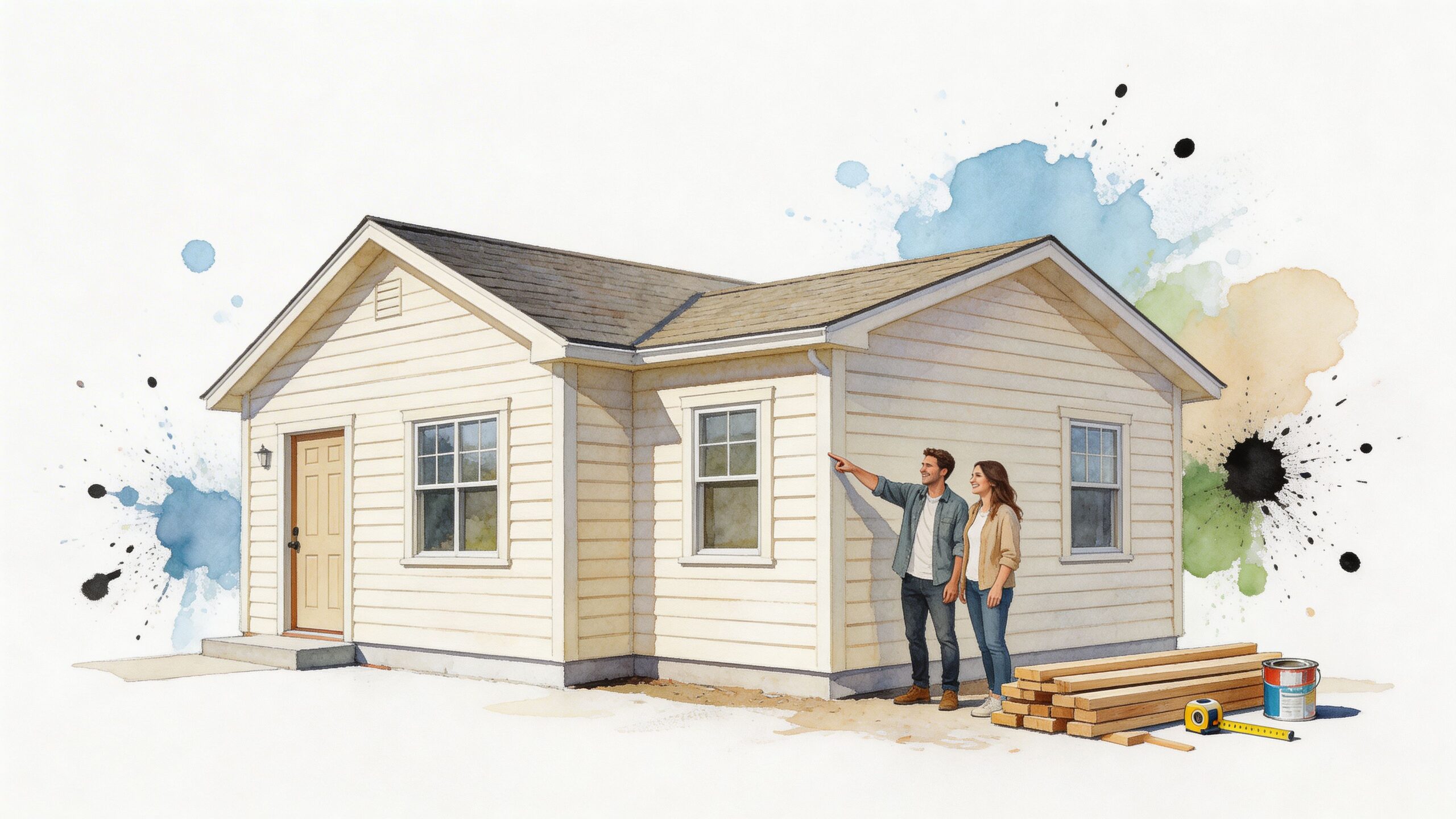
Sometimes the right answer isn't a second story addition. It depends on what kind of space you need and how the property is laid out.
A single-story addition can be a better fit if you have yard area to work with and want to avoid some of the structural demands of building over the existing house. It can also be easier to integrate for homeowners who want more accessible living space on one level.
An ADU makes more sense when the goal is separate living quarters for family, guests, or longer-term flexibility that doesn't need to be inside the main house. If that's the direction you're considering, this page on what determines whether you can build an ADU on your property is the practical starting point.
The right option usually comes down to three things:
- How much yard you're willing to give up
- Whether the new space should be connected or separate
- How much structural intervention the existing house can reasonably handle
Some projects start as second story ideas and end up as rear additions or ADUs for good reason. The property decides a lot.
Frequently Asked Questions About Second Story Additions
Can I stay in my house during a second story addition
Sometimes, yes. It depends on how much of the roof is removed, whether utilities need to be interrupted, and how disruptive the structural work will be on the first floor. Many homeowners can stay for part of the project, but some phases make temporary relocation the safer and more practical choice.
How long does a second story addition usually take
The timeline depends on design complexity, permit review, and field conditions. Planning and permitting can take months, and construction is also a multi-month process. The most accurate schedule comes after the engineer, plans, and permit path are clear.
Is adding a bathroom upstairs much more complicated
Usually, yes. Bathrooms add plumbing, ventilation, waterproofing, and more coordination with framing. They can be done well, but they're not the same as adding a bedroom or office.
Will my foundation need to be upgraded
A lot of homes need some level of reinforcement before a second story is added. Older homes in Monterey County deserve especially close review because current code may require upgrades that the original house was never built with.
What part of the project causes the most surprises
Existing conditions inside the walls and below the house are where surprises tend to show up. Foundation issues, framing changes from past remodels, hidden moisture damage, and undersized systems can all affect the plan once the work starts.
Is a partial second story addition easier than a full one
In many cases, yes. Building over a garage or one section of the home can reduce structural demands and limit disruption compared with raising the entire house footprint. It still needs proper engineering and permits, but it can be a more practical solution for some properties.
Start Planning Your Second Story Addition
A successful second story addition starts with honest feasibility work, disciplined planning, and a contractor who understands Monterey County conditions. If you're weighing whether your home can support building up, the next step is a project-specific conversation based on your structure, site, and goals.
If you're planning a second story addition in Monterey County, Palacios Construction can help you evaluate the structure, permit path, and construction scope in a straightforward way. Visit palaciosconstructionca.com or stop by 222 Ramona Ave Unit 5, Monterey, CA to start the conversation.
Sources
Mares & Dow. "Can I Add a Second Story to My Existing Home?" 2023. https://maresdow.com/can-i-add-a-second-story-to-my-existing-home/
HomeAdvisor. "How Much Does It Cost to Add a Second Story?" 2024. https://www.homeadvisor.com/cost/additions-and-remodels/add-new-story/
GreatBuildz. "Building a Second Story Addition in LA." 2023. https://www.greatbuildz.com/blog/building-second-story-addition-la/
Cedreo. "12 Do’s and Don’ts of a Successful Second Story Addition." 2023. https://cedreo.com/blog/second-story-addition/
Houzz. "Movin’ On Up. What to Consider With a Second-Story Addition." 2020. https://www.houzz.com/magazine/movin-on-up-what-to-consider-with-a-second-story-addition-stsetivw-vs~13791176