Quick Answer
A bathroom remodel in the Monterey Bay Area involves more than just selecting new tile. Success depends on navigating our region’s higher costs, complex local building codes, and choosing materials that withstand our coastal climate. An experienced local contractor is essential for managing permits and ensuring proper construction.
Remodeling a bathroom in the Bay Area isn't just about picking out new tile and a vanity. You're dealing with unique building codes, higher-than-average costs for labor and materials, and the constant battle against moisture, especially in coastal areas like Monterey County.
This guide provides a clear roadmap for your bathroom renovation bay area project. We’ll walk through the real-world process, helping you make smart decisions that add value to your home and avoid common headaches.
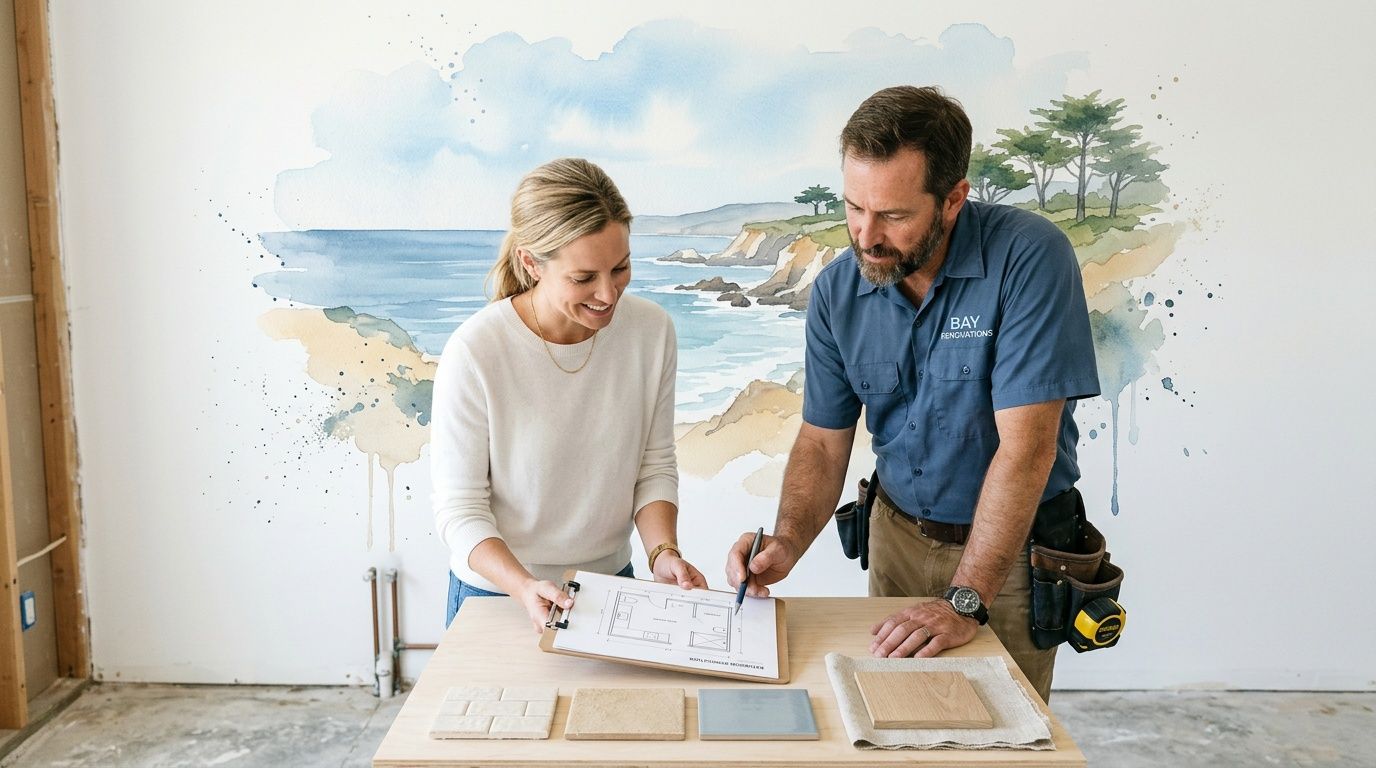
Navigating Your Monterey County Bathroom Remodel
Before you think about picking out tile, you need a clear plan. The first decision is figuring out the scale of the project. This choice determines your budget, timeline, and permit requirements.
Are you planning a simple cosmetic refresh—new paint, fixtures, and vanity? Or do you need a full gut renovation that changes the entire layout?
Gathering inspiration is helpful, but it has to meet the reality of your house. Many older homes in Monterey County have unique quirks. Your existing plumbing and electrical systems will have a large say in what’s possible without expensive rerouting work. A smart plan always focuses on long-term function over a fleeting design trend.
Needs Versus Wants
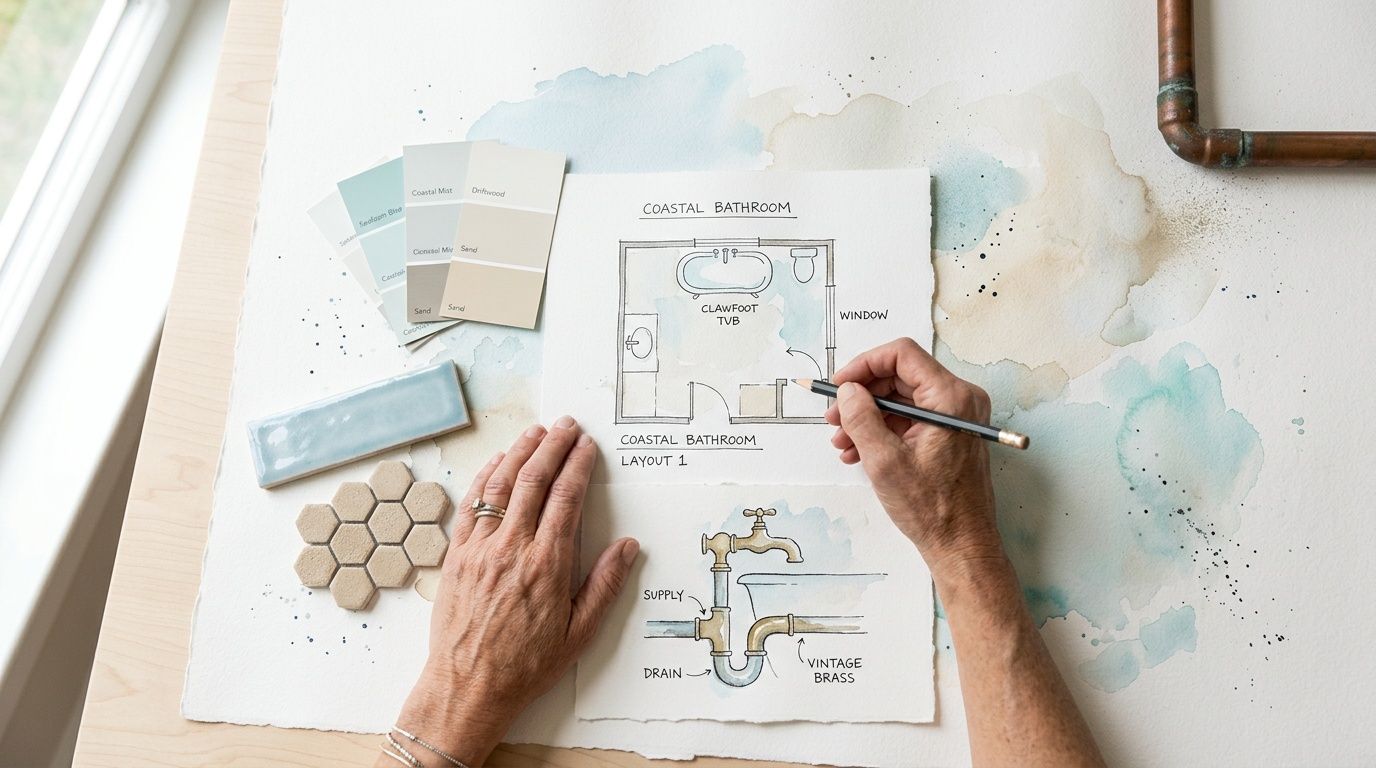
To define your scope, separate your absolute must-haves from the nice-to-haves. This process clarifies your priorities and helps keep the budget in check.
Needs are the non-negotiables. This could be fixing a leaky shower, replacing a water-damaged vanity, adding proper ventilation to fight mold, or installing grab bars for safety. These items address function, safety, and preventing further damage.
Wants are the upgrades. Think about a larger walk-in shower with a bench, a double vanity, or high-end tile. While these things improve the space, they aren’t critical to making the bathroom work.
A well-defined scope helps build a realistic roadmap. When you clearly separate what you must have from what you would like to have, you can spend your money where it counts.
For a closer look at this critical planning stage, you can see our approach to design and pre-construction planning in Monterey for permit-ready projects. Making a detailed "needs and wants" list is the best way to start a conversation with a contractor and get an accurate feel for costs.
Budgeting for a Bathroom Renovation in the Bay Area
The budget is a critical part of any bathroom renovation bay area project. National cost averages often don't apply here. High labor rates, the cost of quality materials, and local permits mean you're starting from a higher price point.
A lot of your investment won't be visible. It’s the work behind the walls—proper plumbing, updated electrical, and solid waterproofing—that ensures your new bathroom lasts. Cutting corners on these fundamentals almost always leads to more expensive repairs later.
Why You Need a Contingency Fund
Not planning for the unexpected is a common mistake. A contingency fund isn't for upgrades; it should be a dedicated 15-20% of your total project cost, set aside for unforeseen problems.
In the older homes common throughout Monterey County, it’s not a question of if we’ll find something, but what we’ll find once the walls are open.
Here’s what often comes up:
- Hidden water damage or dry rot behind tile and under old flooring.
- Outdated wiring that must be replaced to meet current safety codes.
- Old galvanized plumbing that’s corroded from the inside out.
- Structural framing that doesn't meet modern seismic standards.
A contingency fund is a safety net. It gives you the flexibility to handle these issues the right way, without pausing the project or sacrificing the quality of your finishes.
Cost Factors in a Bay Area Bathroom Renovation
| Cost Factor | Description | Impact on Budget |
|---|---|---|
| Project Scope | Is it a simple "pull-and-replace" or are you moving walls and changing the layout? | High. Moving plumbing, electrical, or walls significantly increases labor and permitting costs. |
| Labor Costs | The Bay Area has some of the highest skilled labor rates in the country. | High. This is a major, non-negotiable part of your budget for a professional job. |
| Materials & Finishes | The choice between basic ceramic tile and a custom porcelain slab, or a stock vanity versus a custom-built one. | Medium to High. This is where you have the most control to scale your budget up or down. |
| Permits & Fees | Costs associated with city or county plan checks, inspections, and permit issuance. | Medium. Varies by jurisdiction but is a required cost for most renovations. |
| Hidden Conditions | Issues like dry rot, outdated wiring, or plumbing that are only discovered after demolition. | Variable. This is what your 15-20% contingency fund is for. |
| Waterproofing | A modern, multi-layer waterproofing system for the shower and wet areas. | Medium. Not a place to cut corners, as failure leads to costly water damage. |
Understanding these factors from the start helps you build a realistic budget and avoid surprises once work begins. For a deeper dive into the numbers, you can learn more about what goes into a realistic budget for a bathroom remodel in our detailed guide.
How to Select the Right Local Contractor
Your choice of contractor is the single most important decision for your bathroom renovation bay area project. The right partner is your project manager, problem-solver, and the one person responsible for protecting your home and budget.
You're looking for a licensed general contractor with comprehensive insurance and a deep portfolio of residential remodels in Monterey County. Proven local experience is a requirement. They need to know our housing stock, coastal climate challenges, and how to navigate each city's permitting process.
Questions to Ask Every Contractor
When you interview potential contractors, get past the sales pitch. You want to understand their process and how they communicate.
- How do you manage project schedules and keep me updated? A good contractor has a system for consistent updates, whether it's a weekly call, daily text, or project management app.
- Can you give me a few recent, relevant references? A professional will have a list of clients from similar projects and will not hesitate to share it.
- What does your payment schedule look like? Payments should always be tied to project milestones, not random dates. A large upfront deposit is a major red flag.
- Who is my main point of contact on-site every day? You need to know who is in charge of the day-to-day work to ensure accountability.
A detailed, line-item contract is non-negotiable. If a contractor offers a simple one-page agreement or a bid that seems too good to be true, it’s a warning sign they may be cutting corners.
Understanding what goes into a professional operation is key. You can learn more about why hiring a licensed general contractor actually matters. The license is your best assurance that the work will meet building codes and safety standards.
What to Expect During the Construction Phase
Once plans are finalized, the real work begins. The construction phase can feel chaotic, but knowing the sequence of events makes it more predictable.
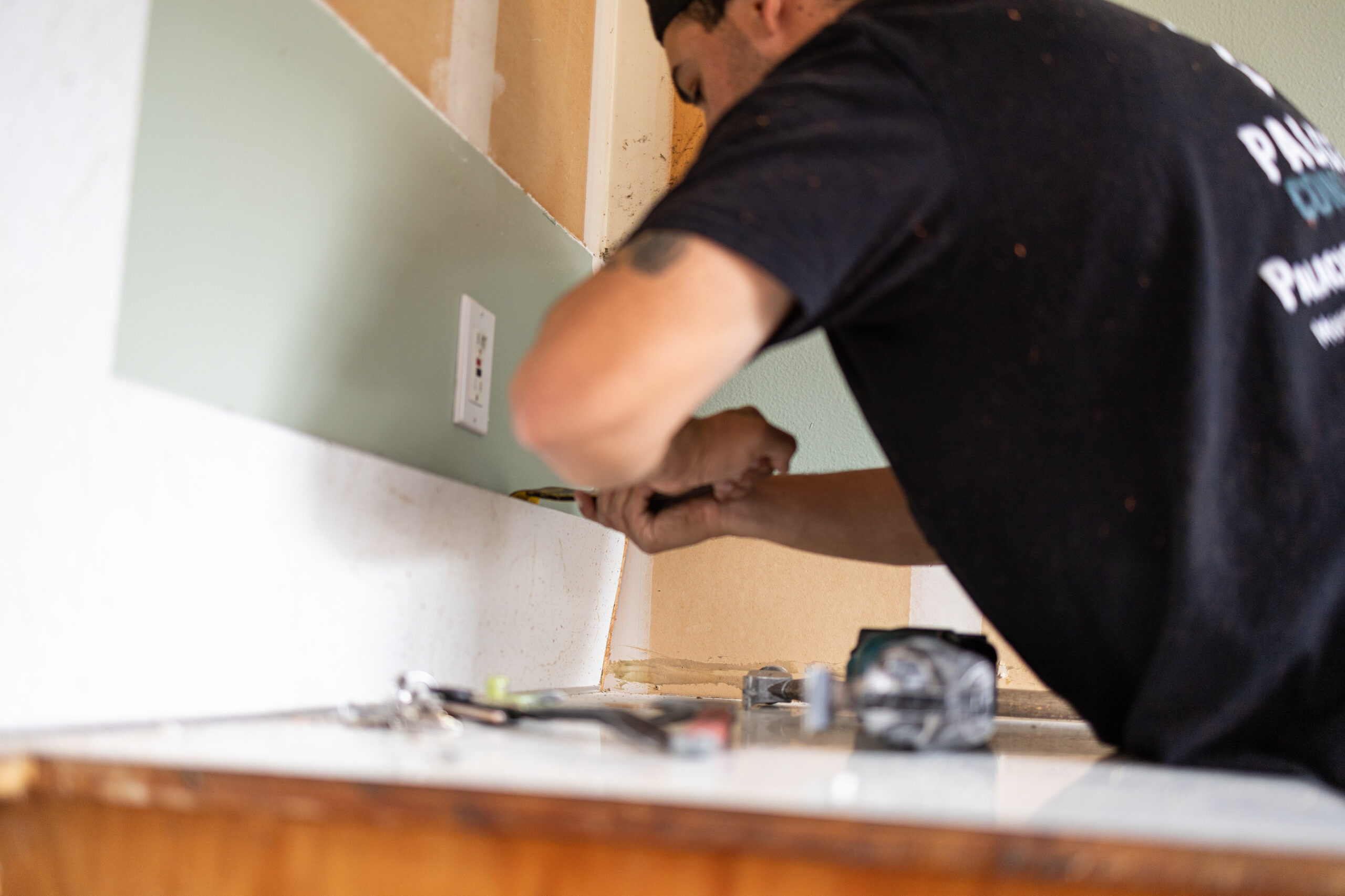
Every job starts with demolition, where we tear out old fixtures, tile, and drywall down to the studs. This is followed by the rough-in stage. Plumbers and electricians run new pipes and wiring in the open walls. Getting this stage perfect is non-negotiable.
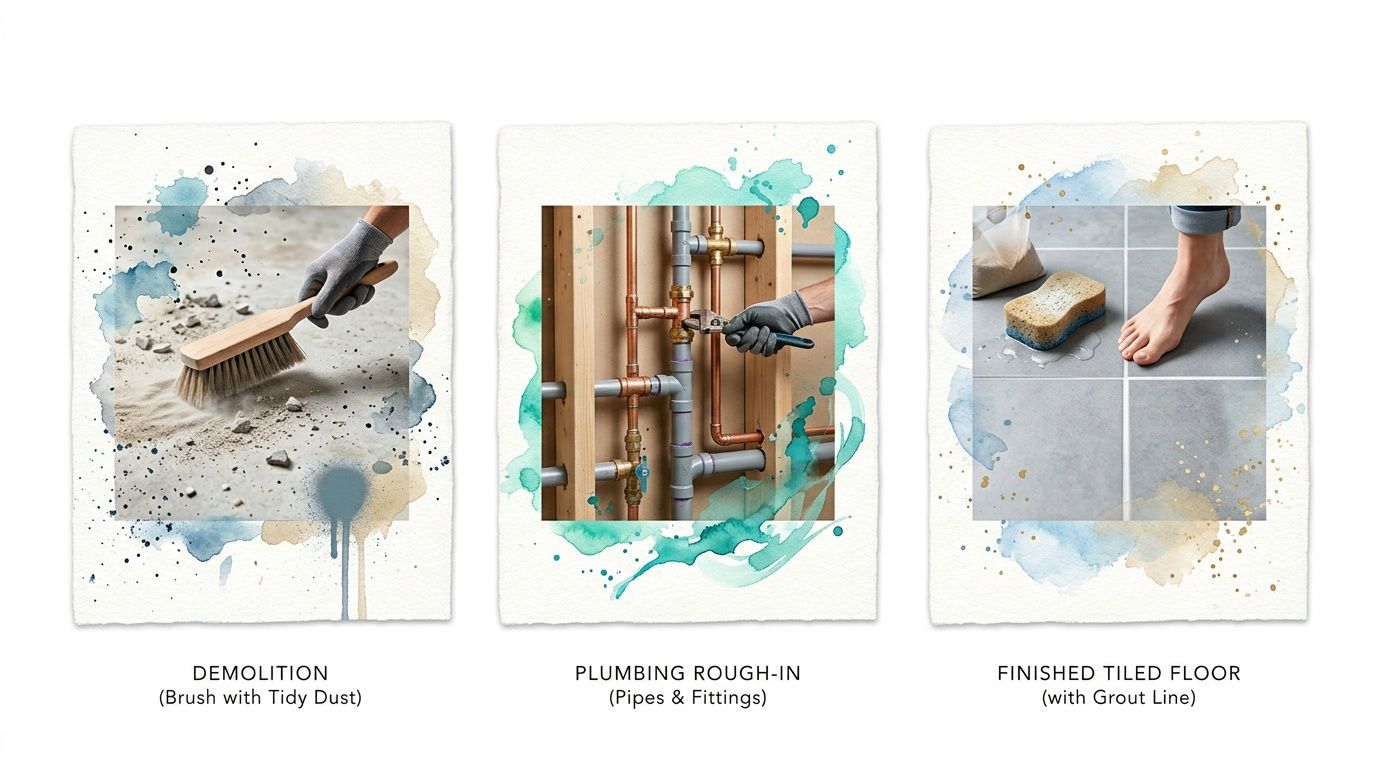
From Open Walls to Finished Room
After the rough-in work, everything stops for inspections. A city or county inspector must sign off before we can cover the walls. This critical step ensures everything is safe and up to code.
After inspection, we hang new drywall. Then comes the waterproofing process for the shower and other wet zones to protect your home from water damage.
Only then do things start looking like a bathroom again. The final steps happen in a specific order:
- Tiling and Flooring: Tile goes up on the shower walls and floor, followed by the main bathroom floor.
- Cabinetry: Your new vanity and any other built-in storage are set in place.
- Painting: Walls, ceiling, and trim are painted before final fixtures go in.
- Fixture Installation: The toilet, sinks, faucets, light fixtures, and mirrors are installed and connected.
Expect some delays. Material lead times, subcontractor schedules, and waiting for inspections can shift the timeline. Clear, regular communication with your contractor is the best way to stay informed and handle any issues that arise.
Ensuring a Strong Return on Your Investment
A bathroom remodel is a serious investment. A good return comes from making smart, durable choices that will appeal to future buyers while improving your daily life now. The goal is a project that grows your home's value.
The best way to do that is to stick with a timeless design and a functional layout. Classic choices like clean, neutral tiles and durable countertops like quartz have broad appeal and stand up to real life. These selections prevent a bathroom from looking dated in five years.
What Really Adds Value: Function and Durability
The most valuable parts of a bathroom remodel are often unseen. A professionally installed, modern waterproofing system behind the shower walls is worth far more than a trendy faucet that will be out of style next year.
The same goes for the basics. Proper ventilation to fight moisture and code-compliant electrical work are non-negotiable. They prevent future problems like mold, rot, and safety hazards.
Modern, water-efficient fixtures are another key piece. They're required by California's Title 24 building codes and deliver long-term savings on your utility bills. This combination of compliance and efficiency makes them a practical upgrade.
Understanding the Financial Payback
A well-planned bathroom renovation bay area project delivers a solid return. In our competitive market, a mid-range bathroom remodel can recoup 60-70% of its cost at resale.
For example, adding a full bathroom to a home that needs one can yield an 80-86% ROI, according to some analyses. For a closer look at the numbers, this local appraisal analysis on renovation ROI is a good resource.
A quality remodel is one of the most reliable home improvements you can make. To see what other upgrades offer a strong payback, check out our guide on 6 upgrades adding long-term value to Monterey County homes.
FAQs About Bathroom Remodeling
How long does a bathroom remodel usually take?
A simple cosmetic update can take a few weeks. A full gut renovation with layout changes and permits can stretch to several months. The biggest variables are material availability and city inspection schedules.
What is a realistic budget for a bathroom remodel in Monterey County?
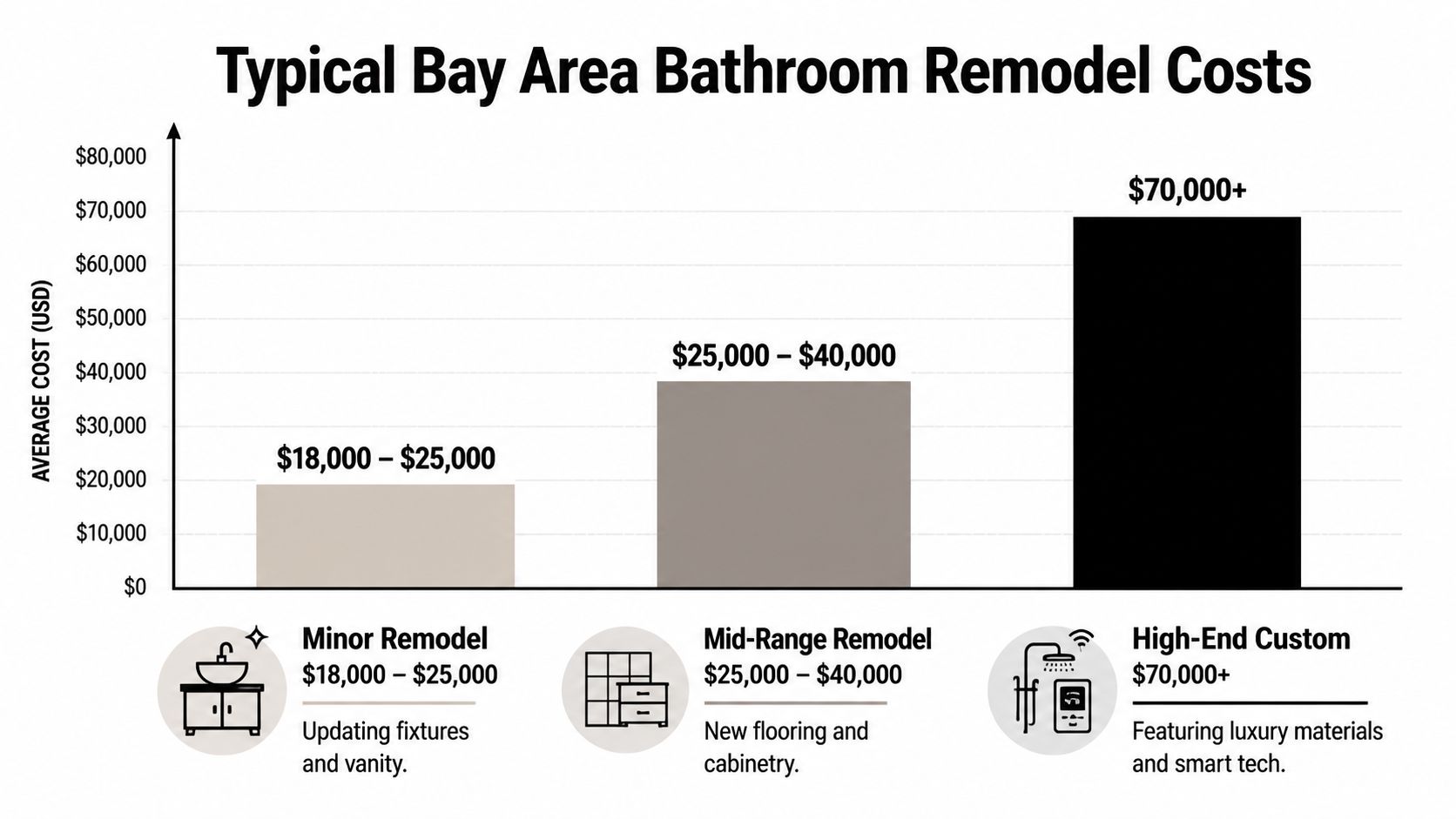
It is difficult to complete a quality full bathroom renovation for under $25,000. This is due to the high cost of local labor, materials, and the scope of work required for a professional job. Always budget an additional 15-20% as a contingency fund for unexpected issues.
Can I live in my house during the renovation?
Yes, you can stay in your home for most bathroom projects. The main inconvenience is that you'll be without that specific bathroom. We work to contain dust and debris, but you should expect some disruption.
Why are permits so important for a bathroom remodel?
Permits are about safety. They ensure that all work, especially plumbing and electrical changes, meets current building codes. Unpermitted work can create major problems when you decide to sell your home.
Do I need a designer for my bathroom remodel?
For cosmetic updates, many homeowners manage fine on their own. For larger renovations involving layout changes or structural work, a professional's input is valuable. We provide design services for home additions and ADUs, but not for standalone bathroom projects.
A successful bathroom renovation bay area project starts with a solid plan and an experienced partner. If you are considering a remodel in Monterey County, contact Palacios Construction for a consultation to discuss your vision.
palaciosconstructionca.com | 222 Ramona Ave Unit 5, Monterey, CA