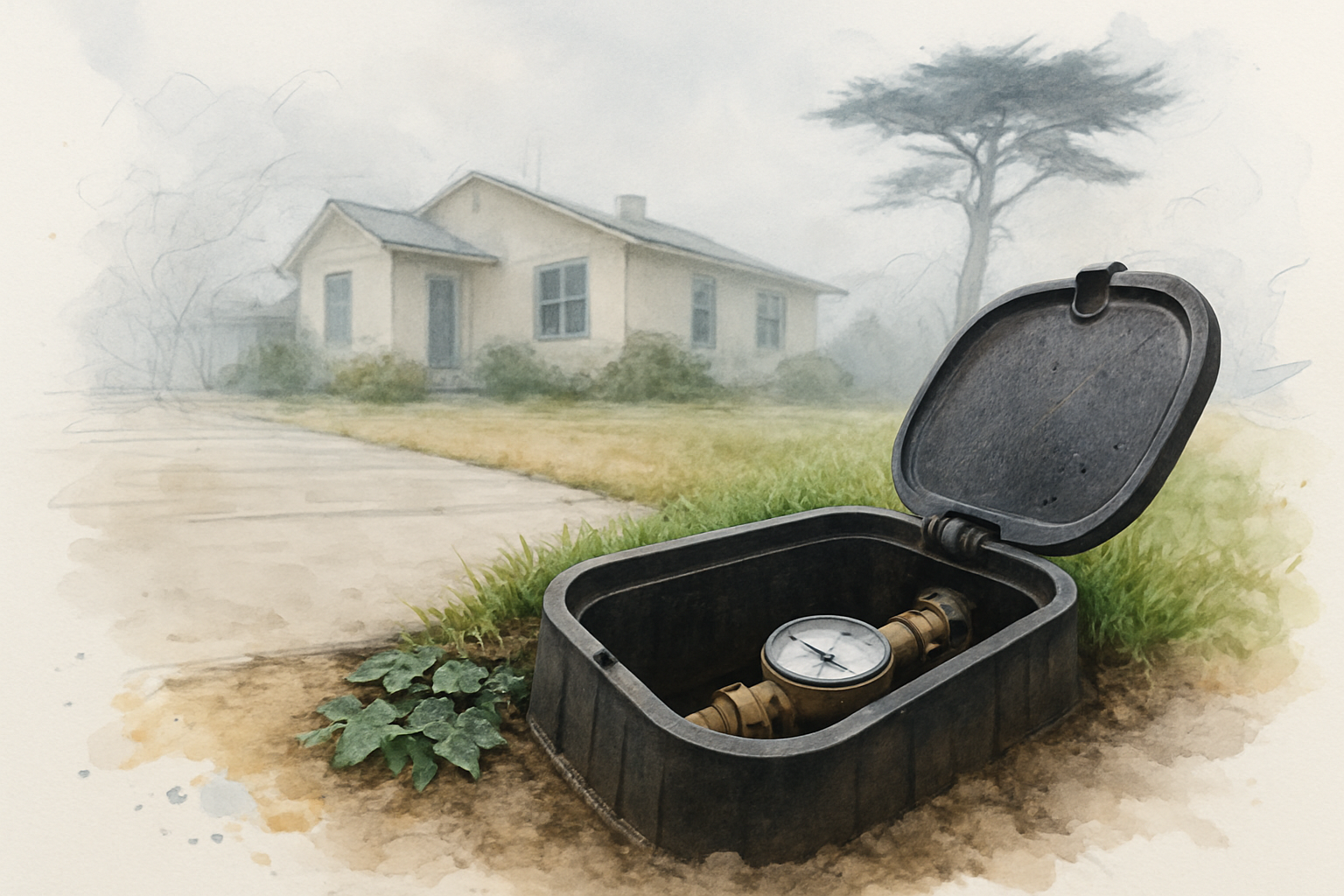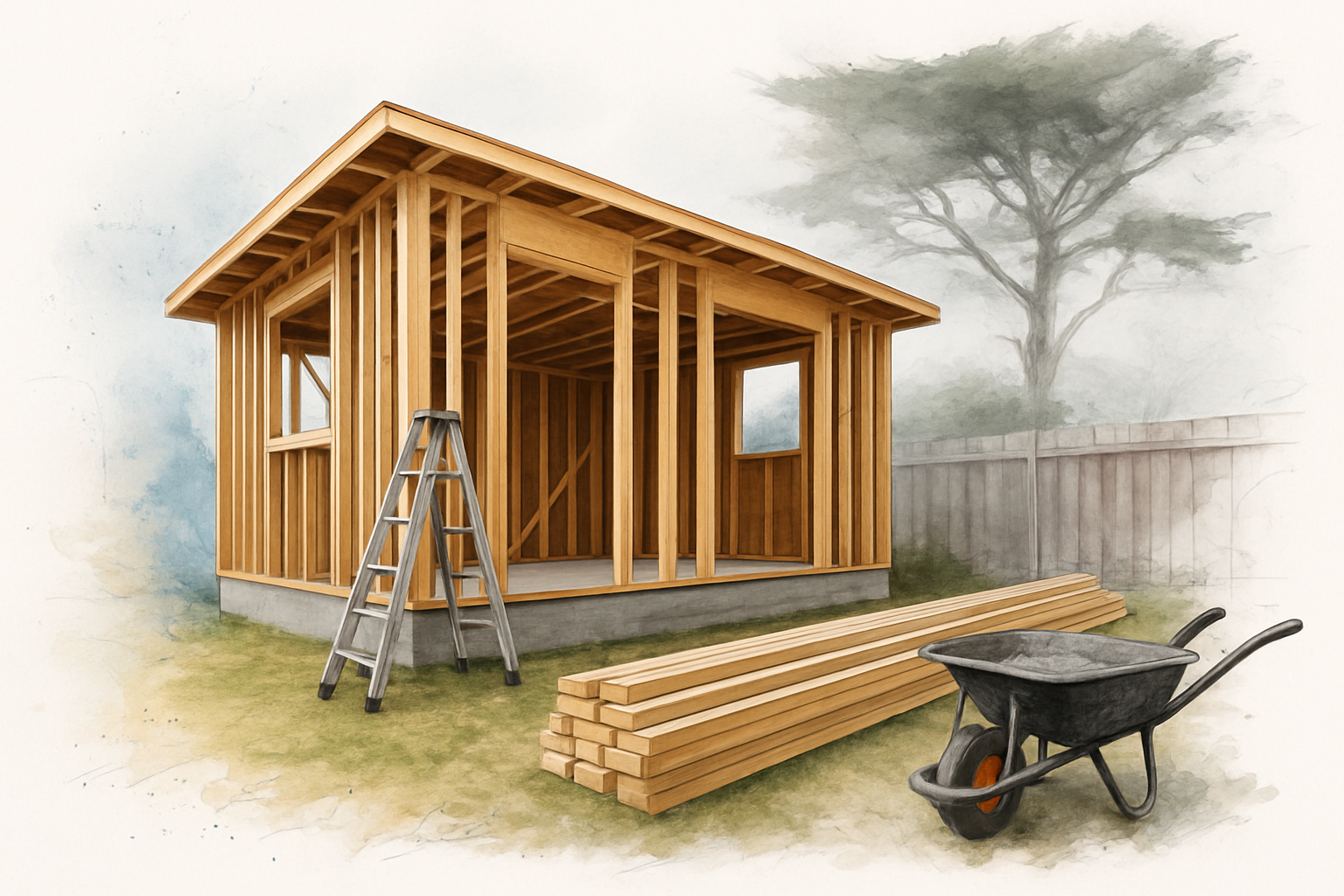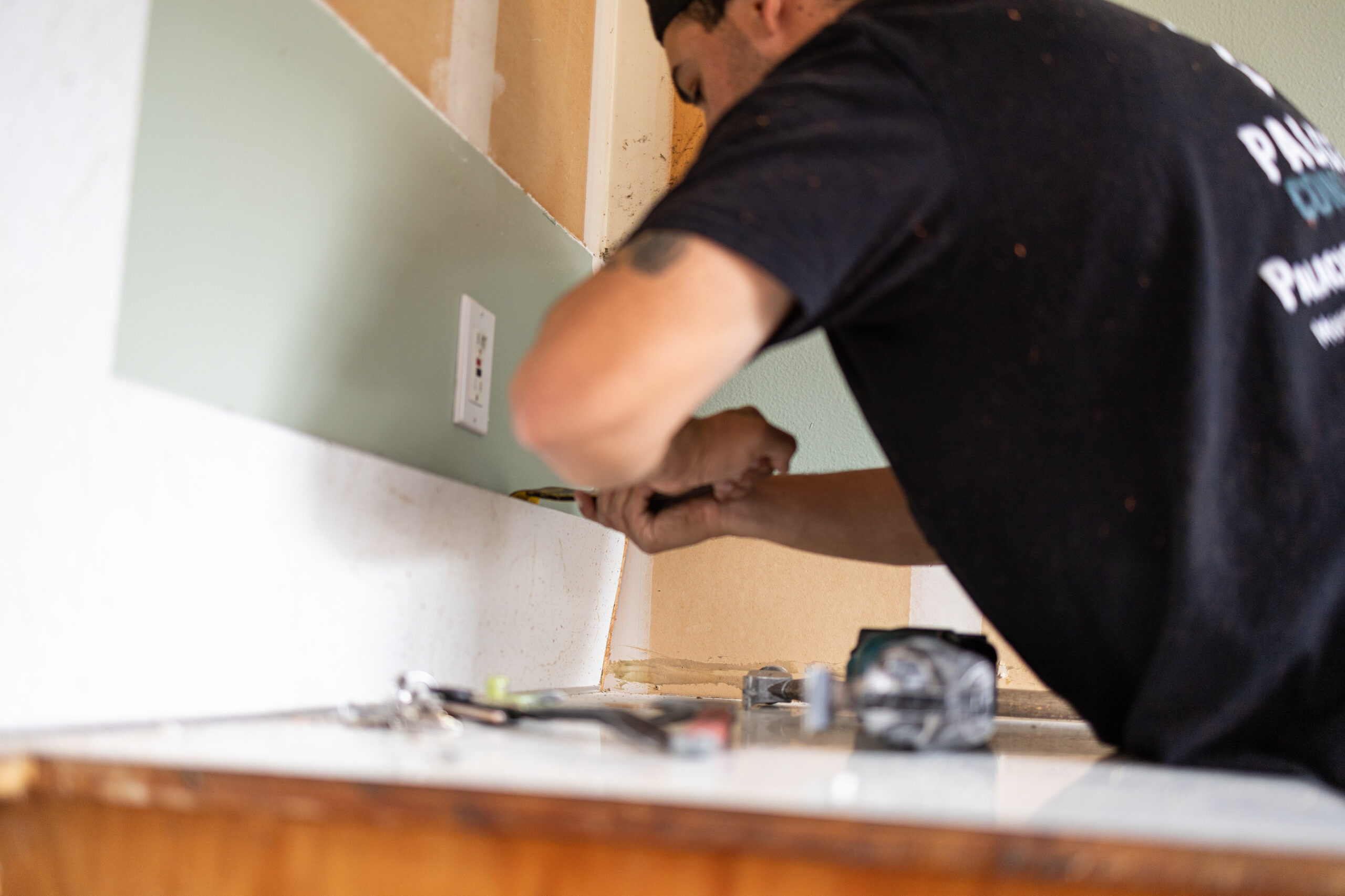

Direct Answer: Before El Niño season hits, Monterey County homeowners should assess the structural areas most vulnerable to moisture — outdoor structures, subfloors, crawlspaces, and drainage around any additions or ADUs.
Most Monterey County homeowners remember the back-to-back El Niño winters of 2022–23 and 2023–24. Combined, those seasons brought some of the heaviest sustained rainfall the Peninsula had seen in decades — and in several neighborhoods from Seaside to Carmel Valley, that moisture worked its way into places homeowners didn’t expect until the damage was already done.
El Niño patterns don’t follow a fixed schedule, but when a strong one arrives on the Central Coast, it tends to hit fast and stay long. Saturated ground, persistent moisture intrusion, and prolonged wet conditions are the conditions that turn minor issues — a slightly soft subfloor, a poorly graded backyard, aging deck posts sitting close to the ground — into much bigger problems.
This guide focuses on the specific parts of a home that remodeling and construction work directly touches. If you’re planning any project in the next 12 months, or if you’ve been putting off addressing something you noticed after the last wet season, now is the time to look closely at a few key areas before the next storm cycle begins.
Outdoor Structures: What Saturated Ground Does to Decks and Pergolas
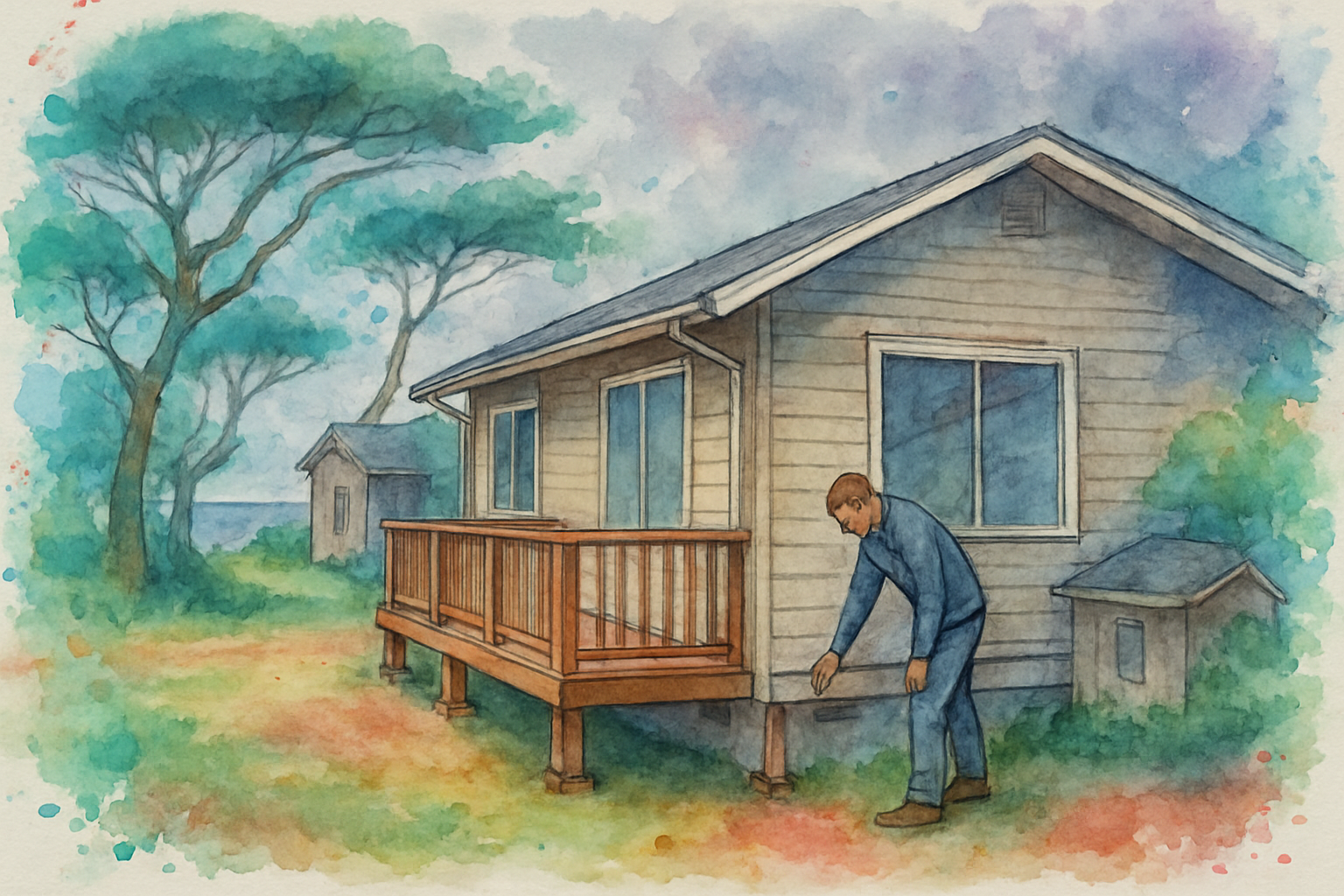
Decks and pergolas on the Monterey Peninsula deal with conditions that inland homeowners don’t — coastal air carries salt moisture year-round, and that combines with El Niño rainfall to accelerate wood degradation faster than most people realize.
The most vulnerable point on any wood deck is where the post meets the ground or concrete footing. When water pools at that connection repeatedly over a wet season, it wicks into the grain of the post and stays there. You won’t see the rot from the surface — it starts from the inside out.
Before the rainy season starts, walk your deck and check:
- Post bases for soft spots or discoloration at the base
- Ledger board connection where the deck attaches to the house — water infiltration here can damage the rim joist and wall framing behind it
- Decking boards for warping or gaps that have widened since last spring
- Drainage path around the perimeter — does water shed away from the structure, or does it pool?
If a deck was built without proper flashing at the ledger, or if the post bases don’t have standoff hardware keeping wood off concrete, those are issues worth addressing before 6+ inches of rain hits over a few weeks. A well-built outdoor structure with correct drainage details handles a wet winter without much stress. One that wasn’t detailed properly doesn’t get a second chance.
For a broader look at how outdoor structures should be planned and built on the Central Coast, this guide to indoor and outdoor living in Monterey County covers the design and construction considerations that matter most for this climate.
Crawlspaces, Subfloors, and the Moisture Problems Nobody Talks About
A significant portion of the housing stock in Pacific Grove, older Monterey neighborhoods, and parts of Seaside was built between the 1930s and 1960s. Many of those homes sit on raised foundations with unconditioned crawlspaces. And a lot of those crawlspaces were never properly sealed against ground moisture.
During a heavy El Niño season, the ground beneath a crawlspace gets saturated. That moisture evaporates upward into the crawlspace and then into the subfloor above it. Wood subfloors that absorb and release moisture repeatedly over multiple wet seasons eventually lose structural integrity — they get soft, they squeak, they start to fail at joist connections.
This matters specifically to homeowners planning a kitchen or bathroom remodel. Both of those spaces sit on subfloor, and when a contractor opens up the floor to replace tile or reconfigure plumbing, the condition of the subfloor underneath is often what determines whether a project runs on budget or not.
The hidden expenses that catch Monterey homeowners off guard frequently include subfloor replacement — not because contractors miss it in estimates, but because subfloor damage is invisible until the floor covering comes up. In a home with a compromised crawlspace, a wet winter before a remodel makes that situation worse.
Some things to look for before the wet season:
- Standing water or visible moisture staining on the crawlspace floor after a rain event
- Soft or bouncy spots in floors near exterior walls or bathrooms — those are often the first places subfloor moisture problems show up
- Musty smell in low areas of the home, particularly in utility rooms or under kitchen cabinetry
- Vapor barrier condition — if your crawlspace has one, it should be intact and covering the ground fully
This isn’t about waterproofing as a standalone service — it’s about understanding what a wet winter reveals, and what that means for the scope and cost of any project you’re planning.
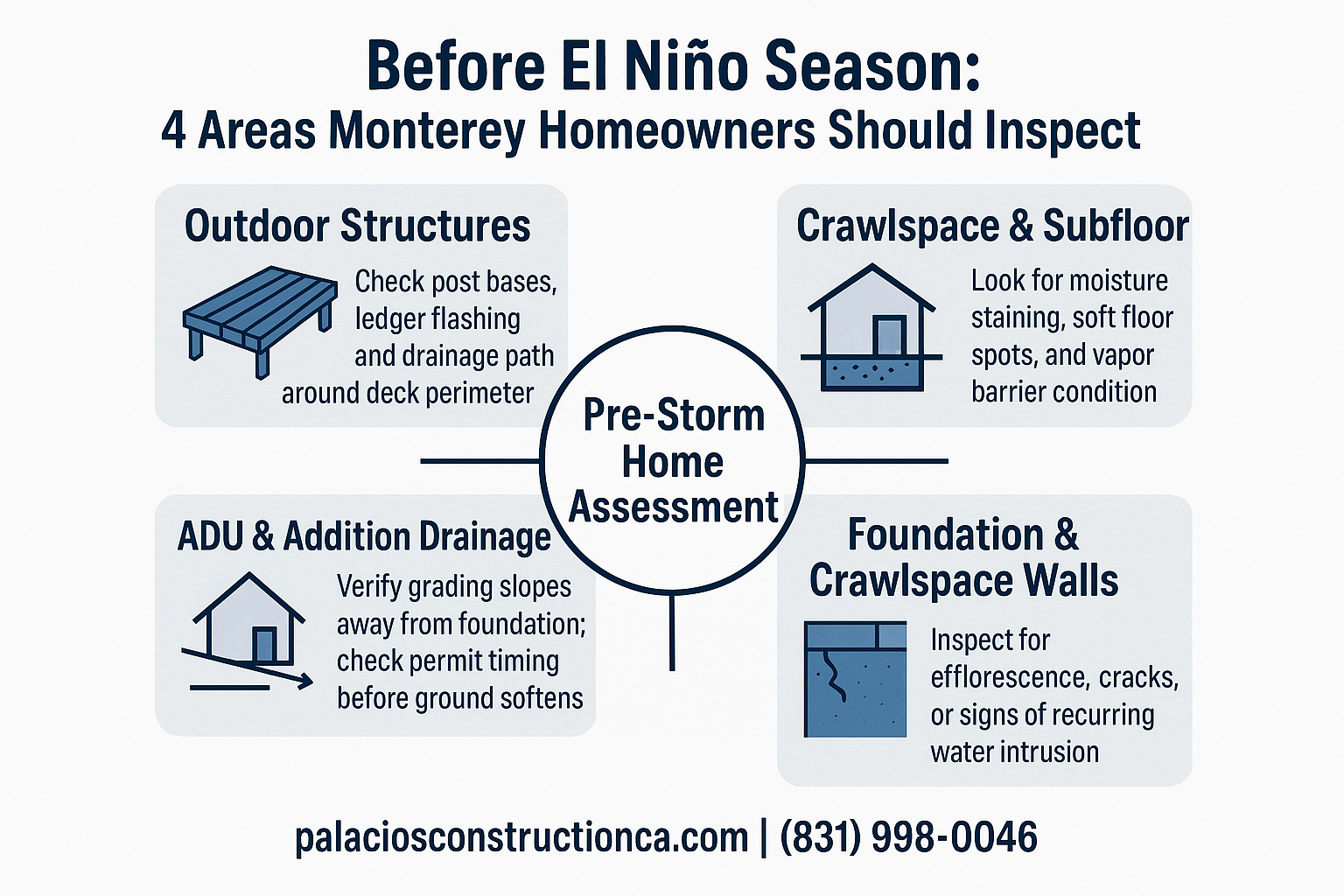
Four Areas to Assess Before El Niño Season
This overview covers the four structural areas Monterey County homeowners should inspect before a heavy rainfall season — and what to look for in each.
ADU and Addition Projects: Why Drainage and Permit Timing Both Matter Right Now
If you’re planning an ADU or a home addition in Monterey County and you haven’t started the permit process yet, the timeline between now and peak rainy season is worth paying attention to — and not just for weather reasons.
Permit review timelines in Monterey County vary significantly by jurisdiction. The City of Monterey, Carmel-by-the-Sea, and unincorporated Monterey County all have different processes, and some coastal-adjacent properties also have MPWMD (Monterey Peninsula Water Management District) review requirements layered on top, particularly for projects that touch plumbing or involve new structures on the property.
A project that gets permitted and starts grading before the wet season has a very different experience than one that starts grading in December. Saturated ground delays compaction, affects foundation excavation, and can push inspection scheduling out by weeks when inspectors have a backlog of weather-delayed projects across the county.
Beyond timing, there’s a drainage question that every ADU and addition project has to answer: does the new structure change how water moves across the property? A detached ADU in a backyard, a room addition along a side yard, a covered carport — all of these alter the natural drainage path. If the grading plan doesn’t account for that, you end up with pooling water next to a foundation that didn’t have that problem before.
This is one of the reasons many ADU projects run into problems before construction even starts — site conditions, drainage, and utility routing decisions made early in the planning process have consequences that show up later, often when it’s more expensive to correct them.
For homeowners still evaluating whether an ADU makes sense for their property, understanding what determines whether an ADU makes financial sense is a useful starting point before getting into the construction logistics.
Pre-El Niño Assessment by Project Type
Different remodeling projects are affected by wet-season conditions in different ways. This reference covers what to look at before a heavy rainfall season, depending on what you’re planning.
| Project Type | Pre-Season Area to Check | Why It Matters |
|---|---|---|
| Deck or Pergola | Post bases, ledger flashing, drainage path | Saturated ground accelerates rot at ground connections; improper ledger flashing allows water into wall framing |
| Kitchen Remodel | Subfloor condition, crawlspace moisture | Wet seasons worsen existing subfloor damage; hidden rot under tile or hardwood affects project scope and cost |
| Bathroom Remodel | Subfloor, existing tile grout/caulk integrity | Water intrusion through failing grout compounds over a wet winter; subfloor damage expands under wet conditions |
| ADU or Addition | Site grading, drainage path, permit status | Ground saturation delays excavation and inspections; altered drainage paths can cause new pooling near foundations |
| Foundation / Crawlspace | Crawlspace walls for cracks or efflorescence, vapor barrier | Recurring moisture intrusion weakens foundation walls over time; wet seasons amplify existing vulnerabilities |
The Practical Case for Planning Before the Ground Gets Soft
There’s a straightforward reason experienced contractors on the Central Coast talk about pre-season assessment: decisions made in October are much less expensive than decisions made in January after three consecutive atmospheric rivers.
When a project is already permitted and the site is prepped, a wet winter is manageable — work pauses during heavy rain, resumes when conditions allow, and the schedule absorbs the delay without major consequences. But when a project is mid-planning, or when a homeowner is still deciding whether to address a known issue, a wet season doesn’t just delay things — it often makes the underlying problem worse and raises the cost of fixing it.
The order of operations matters here. Structural assessments, permit applications, and grading decisions should all happen before the ground is saturated — not after. Understanding the order of operations most homeowners don’t know about applies as much to pre-season planning as it does to remodel sequencing.
For homeowners on the Monterey Peninsula specifically, the combination of older housing stock, coastal moisture conditions, and the regulatory environment around permits means there’s very little margin for reactive decision-making. A project that gets planned well before storm season starts is almost always smoother, faster, and less expensive than one that starts under pressure.
Frequently Asked Questions About Pre-El Niño Home Prep in Monterey County
How do I know if my crawlspace moisture problem is serious enough to address before a remodel?
The clearest sign is soft or springy flooring near exterior walls, under bathrooms, or in older parts of the house. If you also notice a persistent musty smell in low areas of the home, that’s another indicator. The only way to know for certain is to have someone get eyes on the crawlspace itself — what you find often determines whether subfloor replacement ends up in a remodel scope.
Can I start an ADU permit application now and still have it ready before wet season?
It depends on your jurisdiction and the complexity of the project. Permit review in unincorporated Monterey County, the City of Monterey, and Carmel-by-the-Sea all run on different timelines. A straightforward detached ADU can take 3 to 6 months from application to permit issuance in some jurisdictions — longer if there are corrections or MPWMD water review requirements. Getting the application in now is almost always better than waiting.
My deck was built about 15 years ago. Is that old enough to be a concern going into a wet season?
Age alone isn’t the deciding factor — construction quality and maintenance history matter more. A 15-year-old deck with proper post base hardware and good drainage detail can be in fine condition. One built without standoff hardware, with posts sitting directly in concrete, may be showing rot at the bases already. Walk the perimeter and check post bases for softness. If anything feels spongy, get a closer look before the wet season begins.
Does heavy rainfall affect permit inspection scheduling in Monterey County?
Yes. When multiple projects across the county experience weather delays simultaneously, inspection scheduling can back up by 1 to 3 weeks or more during sustained storm events. This is one reason contractors who plan projects for pre-season starts tend to have more predictable schedules than those who start during or after peak rainfall.
Is foundation work or seismic retrofitting something I should think about in relation to El Niño?
Moisture intrusion around crawlspace walls and foundations is directly related to seismic performance. Foundation components that have been exposed to recurring water intrusion — concrete with efflorescence, wood mudsills with rot — don’t hold up to seismic stress the way intact structural components do. If you’ve noticed water staining in your crawlspace after past wet seasons, that’s worth including in any foundation assessment.
Have a Project You’ve Been Putting Off? Now Is the Right Time to Look at It
If you’re a Monterey County homeowner with a remodeling project in the planning stages — or a structural concern you’ve been meaning to address — getting a clear assessment before wet season arrives puts you in a much better position than waiting. Palacios Construction works with homeowners across the Monterey Peninsula on well-planned, professionally managed projects and can help you understand what you’re actually looking at before committing to anything. Reach out at palaciosconstructionca.com or call (831) 220-3334 to start the conversation.