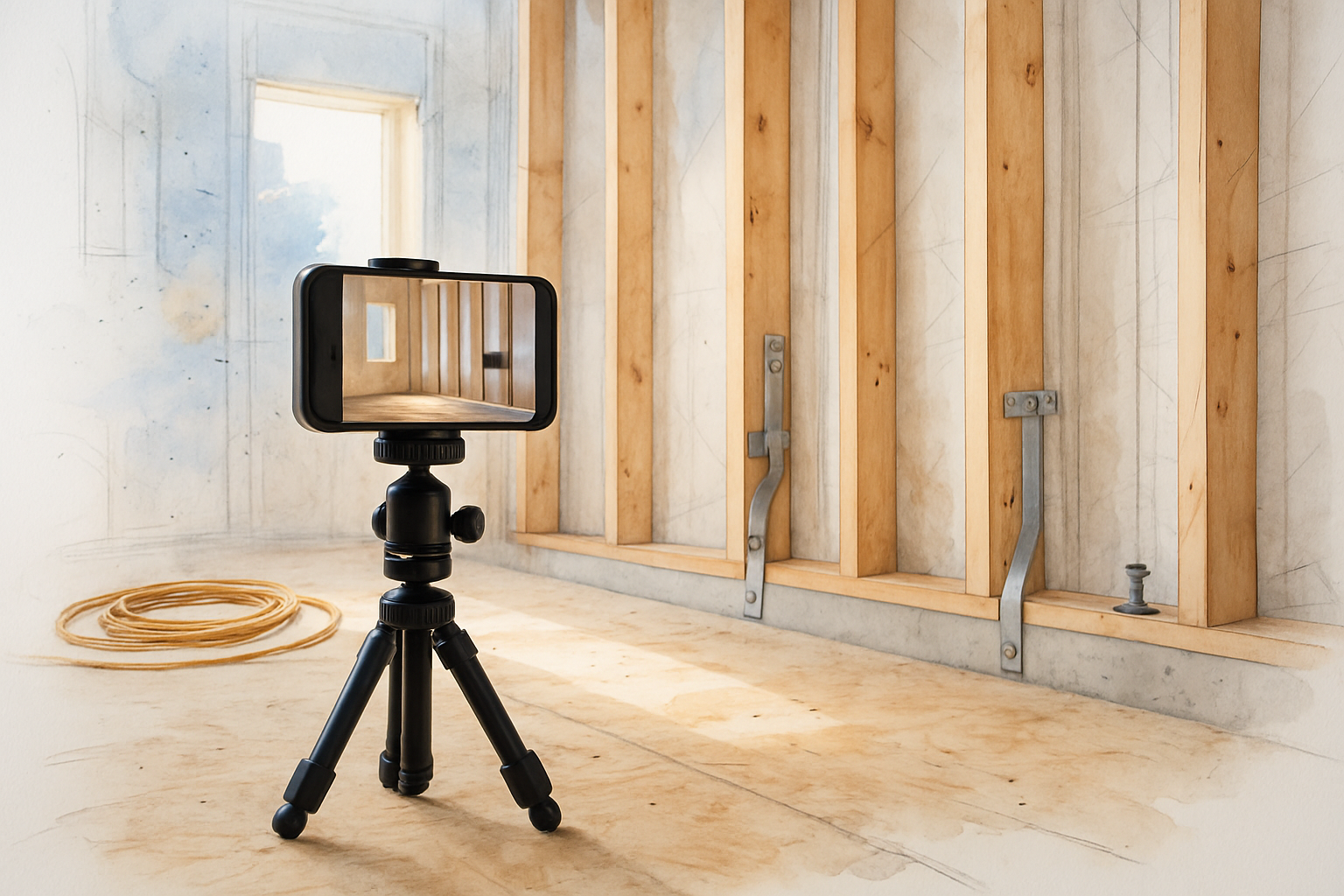

Direct Answer: Starting January 1, 2027, California’s SB 868 lets a home run plug-in solar devices totaling up to 1,200 watts AC with no utility interconnection agreement and no utility fees. Local permit rules still apply.
I get a version of this question on almost every outdoor living walkthrough. A homeowner points at the back of the house and asks whether they can put a small solar panel out there without getting dragged into a months-long utility process.
Until now, the honest answer was that almost anything tied into your home’s wiring meant an interconnection agreement with PG&E. That changed on September 30, 2026, when Governor Newsom signed SB 868, the plug and play solar bill.
Below is what the law actually says, when it kicks in, and what it does not cover. Because the part homeowners in Monterey, Pacific Grove, and Carmel-by-the-Sea miss is that a utility exemption is not a permit exemption.
What California’s plug in balcony solar law SB 868 actually does
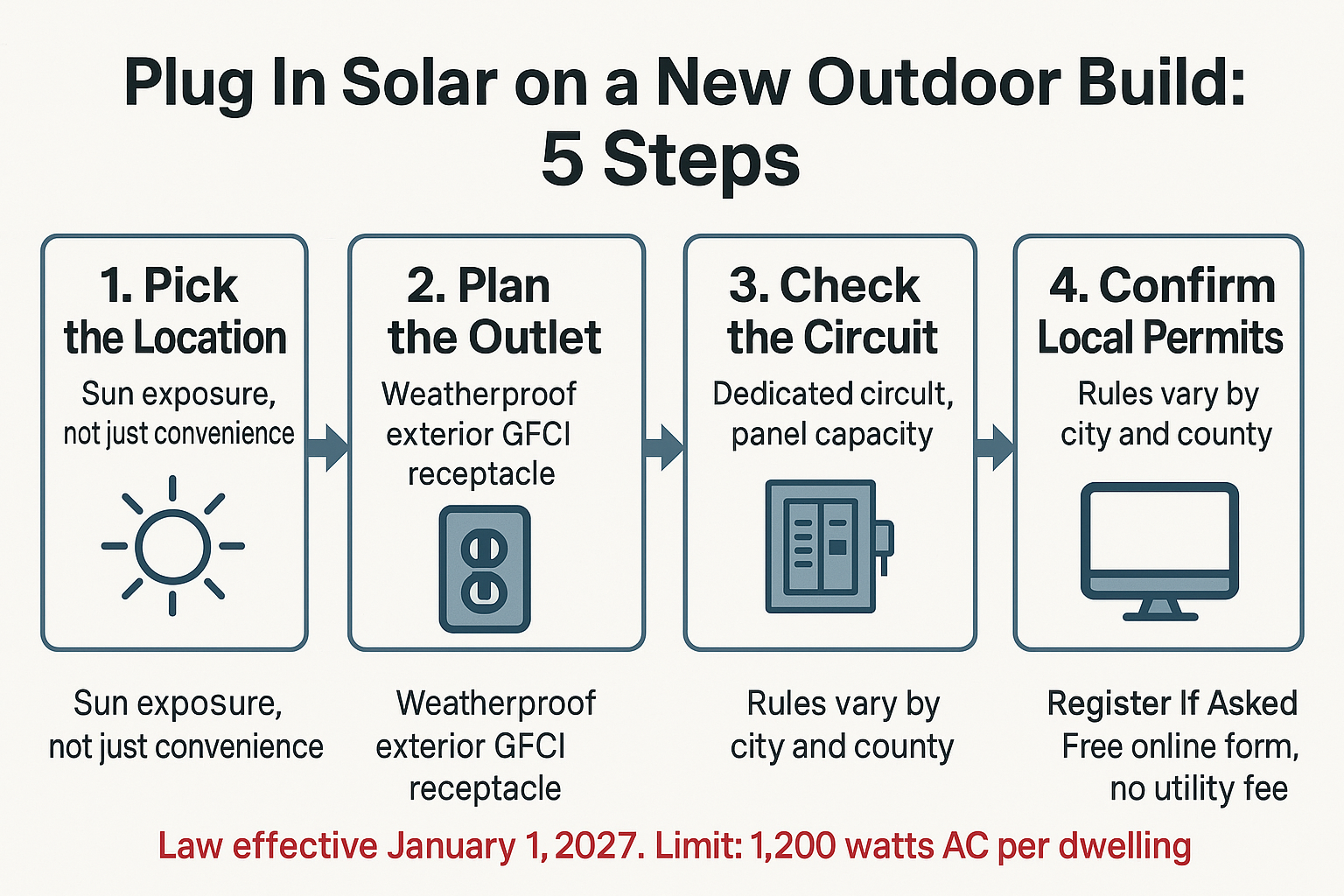
SB 868 takes effect January 1, 2027. Not sooner. If you are planning a patio or pergola this winter, nothing about the current rules changes until that date.
The law defines portable solar generation devices as photovoltaic devices designed to be connected to a building’s wiring through a receptacle and to offset onsite electricity consumption. Plain version: a panel with a cord that plugs into an outlet.
Here is what the law sets out:
- A single dwelling can have devices with a total AC output of no more than 1,200 watts
- Devices must be certified by UL or an equivalent testing laboratory
- Qualifying systems are exempt from utility interconnection agreements, so you do not need the utility’s permission to plug in
- Utilities are barred from charging any fee for these devices
- Utilities may ask you to notify them, which Senator Wiener’s office says will happen through a free online registration form
- Systems must offset your own home’s electricity use, not sell power back to the grid
- The device must shut down during a grid outage
California is the 10th state to allow plug-in solar without utility approval, according to reporting from Quartz and pv magazine USA. You can read the bill text yourself on the California Legislative Information site.
What SB 868 does not do, and why that matters here
This is where I slow homeowners down. The law removes the utility as a gatekeeper. It does not remove your city or county building department.
Local building and electrical permit rules still apply. Requirements vary by jurisdiction, so verify with the building department that covers your address before you mount anything to a structure.
A few local realities worth knowing:
- Carmel-by-the-Sea has design review that pays close attention to anything visible from the street or a neighbor’s property
- Pacific Grove has a large stock of older homes where exterior electrical work often uncovers wiring that needs updating first
- Monterey now runs permit applications through an online portal that asks detailed scope questions up front, which I covered in Monterey’s new permit portal and what it asks before your remodel starts
- Homeowner associations in places like Pebble Beach often have their own rules about visible equipment, and a state law does not override a private CC&R
The other thing SB 868 does not do is give you backup power. These devices shut down when the grid goes down, which matters during winter storm outages on the Peninsula. If you want power during an outage, that is a different system with a different approval path.
SB 868 at a glance: what changes and what stays the same
Here is the split between what the state handled and what stays on your plate locally.
| Topic | Under SB 868 (starting Jan 1, 2027) | What you still handle locally |
|---|---|---|
| Utility approval | Exempt from interconnection agreements | Utility may ask for a free online registration |
| Utility fees | Utilities barred from charging a fee for these devices | Your normal rate plan and bill are unchanged |
| System size | Up to 1,200 watts AC total per dwelling | Anything larger follows the standard interconnection path |
| Equipment | Must be certified by UL or an equivalent lab | Wiring and receptacles must meet California electrical code |
| Power export | Must offset your own use, not sell back | Nothing to file, since there is no export credit |
| Outage behavior | Device must shut down during a grid outage | Backup power requires separate equipment |
| Permits | No permit exemption granted | Confirm requirements with your city or county building department |
The order of operations if you want this on a new outdoor structure
If you are building a deck, pergola, patio cover, or shed and want a plug-in setup later, the sequence matters more than the gear.
Plan the outlet while the walls are open, not after
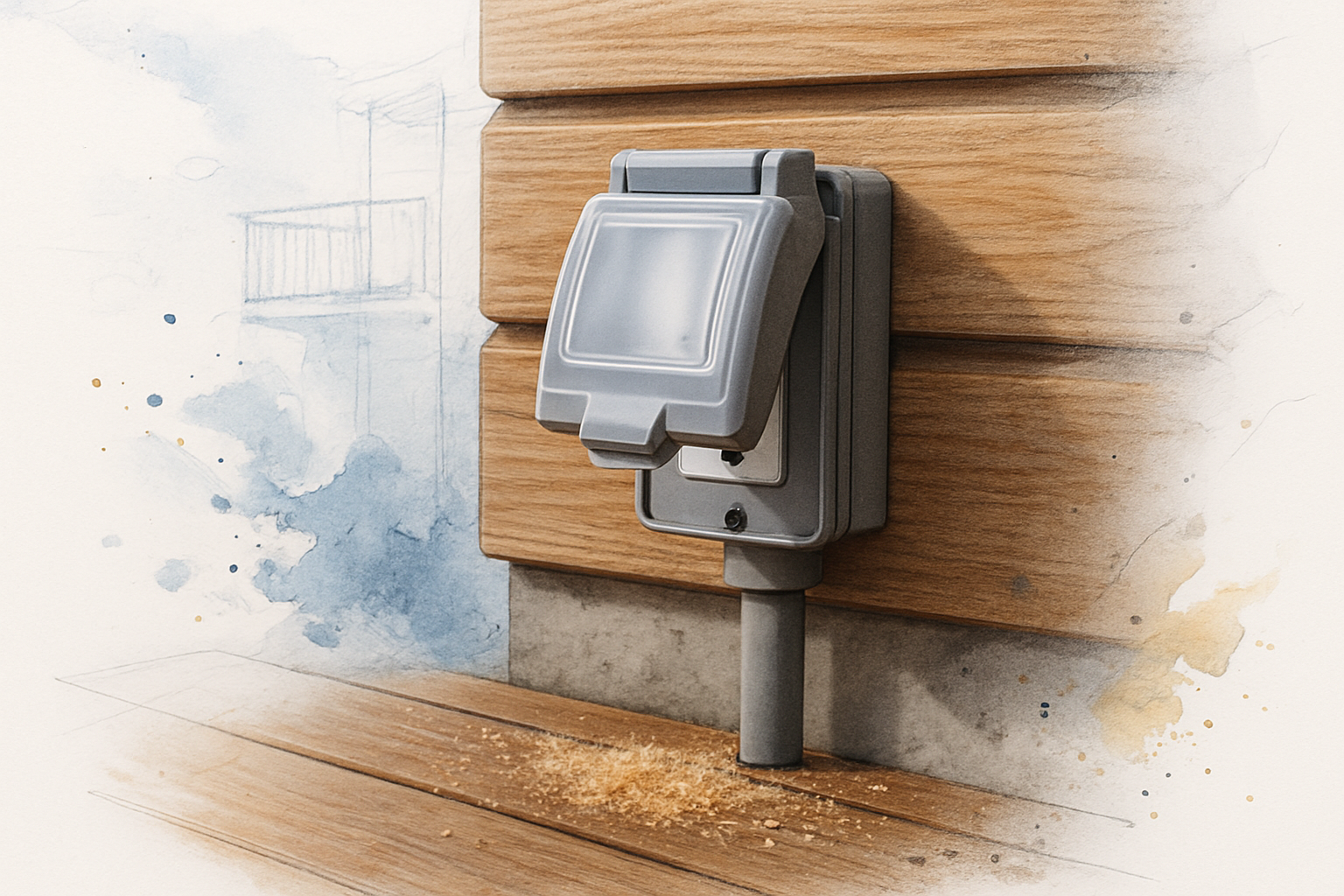
This is the practical piece, and it is the part I can actually help with. A plug-in solar device needs a receptacle, and where that receptacle lives decides how much of a headache this becomes.
When we frame a deck, pergola, or patio cover, adding a weatherproof exterior outlet while the structure is open costs a fraction of what it costs to chase a new circuit later through finished stucco or siding. Exterior receptacles, lighting, and new circuits fall under the general trades work we already do on these builds.
Things I look at on a walkthrough when a homeowner mentions solar down the road:
- Panel capacity. Older Peninsula homes often have a service panel with no room left. That is a separate conversation and a separate cost.
- Circuit load. A plug-in device backfeeds a branch circuit, so it should not be sharing a circuit already running near capacity.
- Sun exposure. Our fog belt is real. A south-facing wall in Salinas and a south-facing wall in Pacific Grove do not produce the same output, and summer marine layer cuts morning production.
- Salt air. Within a few blocks of the water, hardware and fasteners corrode fast. Stainless or coated mounting hardware is not optional there.
- Mounting surface. A pergola rafter, a deck railing, and a stucco wall all take load differently.
One homeowner told me their project was “a small thing” and then we found knob and tube behind the wall. Small scopes turn into real scopes more often than people expect, which is why I look before I quote.
What this costs, honestly
I am not going to put a number on a solar kit, because that is not my lane and prices move. What I can tell you is what drives the construction side of the cost.
The fee the law removes is the utility interconnection fee, which utilities are now barred from charging for these devices. That is a real savings, but it was never the biggest line item for most homeowners.
The cost that actually varies is the electrical work:
- Running a new exterior circuit during framing is far less than retrofitting one later
- Panel upgrades, when needed, are their own project
- Older homes with outdated wiring often need corrections before new work passes inspection
- Permit fees vary by jurisdiction across Monterey County
We use realistic allowances in proposals rather than lowball numbers, and every line item gets explained before anything starts. One customer put it simply in a review: “prices felt transparent and reasonable.” That is the standard we hold to, and it is why I would rather walk the property than guess over the phone.
If you are already planning a bigger project, it is worth reading how the home addition process works start to finish in Monterey County, since electrical planning sits inside that same sequence. And if you are curious about the other 2027 change coming to local inspections, remote video building inspections start the same year.
Frequently Asked Questions About SB 868 and Plug In Solar
Can I install a plug-in solar panel right now, before 2027?
The exemption does not start until January 1, 2027. Before that date, the existing interconnection rules still apply. If you are building an outdoor structure this year, the smart move is to plan the outlet and circuit now so you are ready when the law takes effect.
Do I still need to tell PG&E?
Possibly. The law bars utilities from charging a fee and removes the interconnection agreement, but utilities may ask you to notify them. Senator Wiener’s office says that will happen through a free online registration form.
Does 1,200 watts mean 1,200 watts per panel or per house?
Per dwelling. The law caps the total AC output at 1,200 watts for a single dwelling, across all devices combined. Going above that puts you back into the standard interconnection process.
Will this power my house during an outage?
No. These devices are required to shut down during a grid outage. If outage backup is your goal, that is a different system entirely and worth discussing before you spend money on the wrong equipment.
Do I need a permit for a plug-in solar device in Monterey or Pacific Grove?
SB 868 does not waive local building or electrical permit requirements, and rules vary by jurisdiction. Any new exterior circuit or receptacle work almost always has permit implications. Check with the building department that covers your address, and remember that design review in cities like Carmel-by-the-Sea can apply to visible exterior equipment.
Thinking about an outdoor build with solar in mind?
If you are planning a deck, pergola, patio cover, or shed anywhere on the Monterey Peninsula and want the electrical planned for a plug-in setup down the road, that is a conversation worth having before framing starts. Palacios Construction works throughout Monterey County and can walk the property with you to talk through circuits, outlet placement, and what your local building department will want to see. The office is at 222 Ramona Ave in Monterey, reachable at (831) 220-3334 or palaciosconstructionca.com.