
Direct Answer: AB 1738, signed September 18, 2026, requires local jurisdictions to let homeowners in a single- or two-family dwelling unit request remote building inspections for certain structural components, starting January 1, 2027.
The slowest part of most remodels is not the work. It is the waiting between phases, when framing is done and nobody can touch insulation until an inspector signs off.
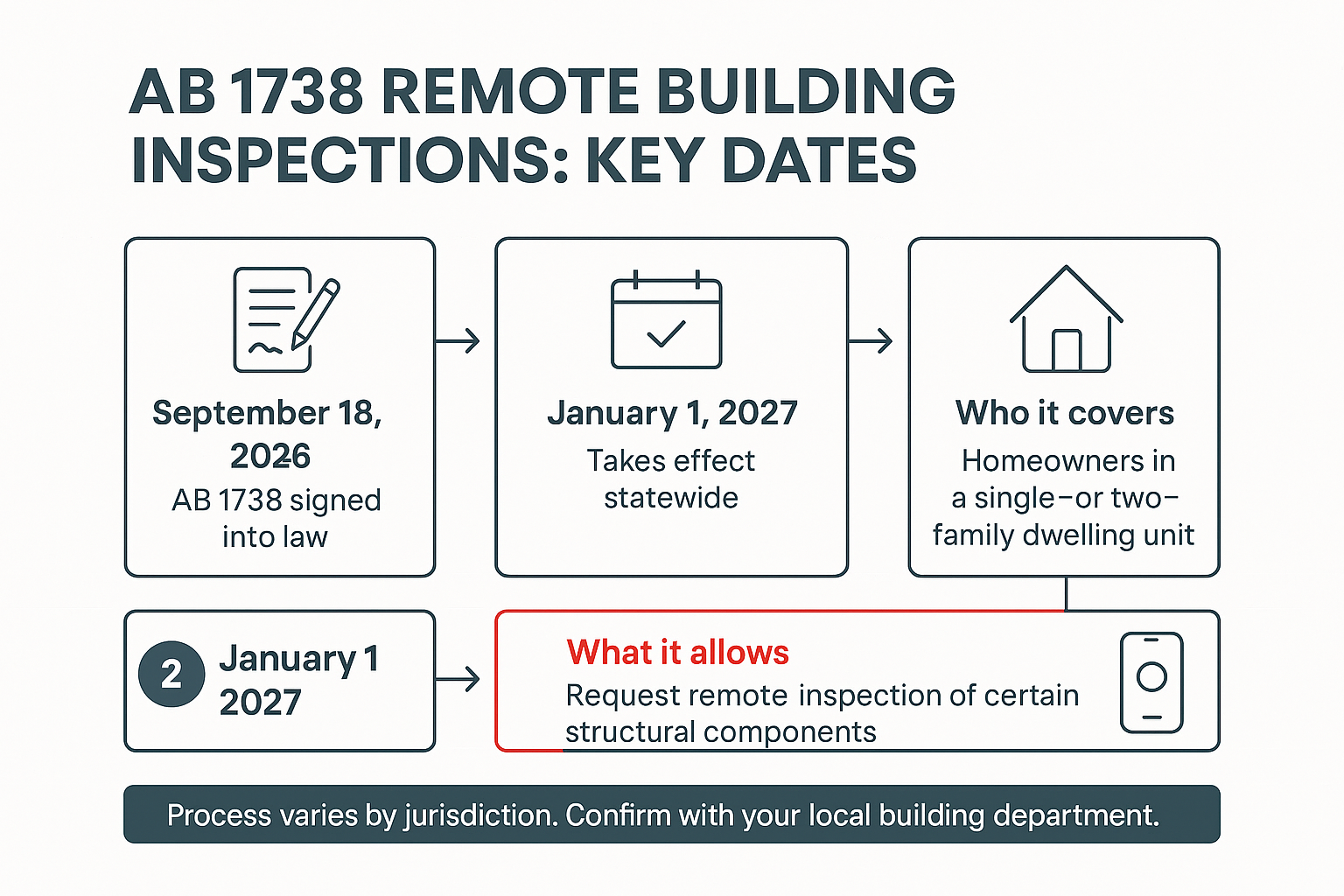
A new state law changes a piece of that. AB 1738 was signed on September 18, 2026, and it takes effect January 1, 2027 as part of this year’s housing package.
I get asked about permit delays on nearly every call, from homeowners in Salinas to clients on the Peninsula. So here is what the law actually says, how narrow it is, and what it may mean for your project schedule.
What the remote building inspection California new law actually requires
The language matters here, so I am going to stick to it closely. AB 1738 (Carrillo) requires local jurisdictions to allow homeowners in a single- or two-family dwelling unit to request remote building inspections for certain structural components.
That is the whole scope. Three limits are built right into that sentence:
- It covers homeowners in a single- or two-family dwelling unit, not every property type
- It applies to certain structural components, not every inspection on your permit card
- It gives you the right to request a remote inspection from your local jurisdiction
The bill was signed by the Governor on September 18, 2026, and sits inside the broader housing package effective January 1, 2027. The law firm Allen Matkins summarized it the same way in its review of the 2026 housing bills, which was also republished by the legal news outlet Mondaq.
What the law does not do is spell out, city by city, how each building department will run these inspections. Monterey, Pacific Grove, Carmel-by-the-Sea, Salinas, and Monterey County each handle permits and inspections their own way. Requirements vary by jurisdiction, so verify the process with the building department that issued your permit.
Why inspection timing is the hidden cost on a Monterey County remodel
On paper, an inspection is a thirty minute visit. In practice it can cost you a week.
Here is how it goes. Framing wraps on a Thursday. The inspection slot lands the following Tuesday. The insulation crew was holding that Monday, so now they are on another job and the next opening is the week after.
Multiply that across a project with framing, rough electrical, rough plumbing, insulation, drywall nailing, and final, and you can see where schedules slip. Every inspection is a handoff, and every handoff is a chance for a crew to go elsewhere.
On the Peninsula there is a second layer. Older housing stock means more surprises inside walls, and more surprises mean more corrections, which means more reinspections. That is real on pre-1980 homes in Pacific Grove and Monterey where framing was never built the way current code expects.
If fewer of those stops require an inspector to drive out, the gap between phases can get shorter. That is the practical promise of the law, and it is why I think it matters more for remodels and additions than people assume. If you want the full picture of how the permit stage fits in, I walked through it in the process for home additions in Monterey County, and in what Monterey’s permit portal asks before your remodel starts.
What the law says, and what you still need to confirm locally
I pulled this apart into what is settled in the text and what is left to your building department. It keeps the conversation with your inspector shorter.
| Question | What the law states | What to confirm with your building department |
|---|---|---|
| Who can ask | Homeowners in a single- or two-family dwelling unit | Whether your specific permit and property type qualify |
| What can be inspected remotely | Certain structural components | Which items on your permit card are on their remote list |
| When it starts | January 1, 2027 | When their remote process goes live and how to schedule it |
| Who must allow the request | Local jurisdictions | The request form, platform, or app your city or county uses |
| Cost | Not addressed in the bill language | Whether inspection fees change at all under their fee schedule |
The dates that matter
A quick timeline of how this law landed and what a homeowner does with it.
What a remote inspection looks like in the field
I have run plenty of video walkthroughs with homeowners who were out of town during construction, so the format is familiar. A remote inspection is tighter, because someone is checking work against code on the other end.
What makes one go smoothly:
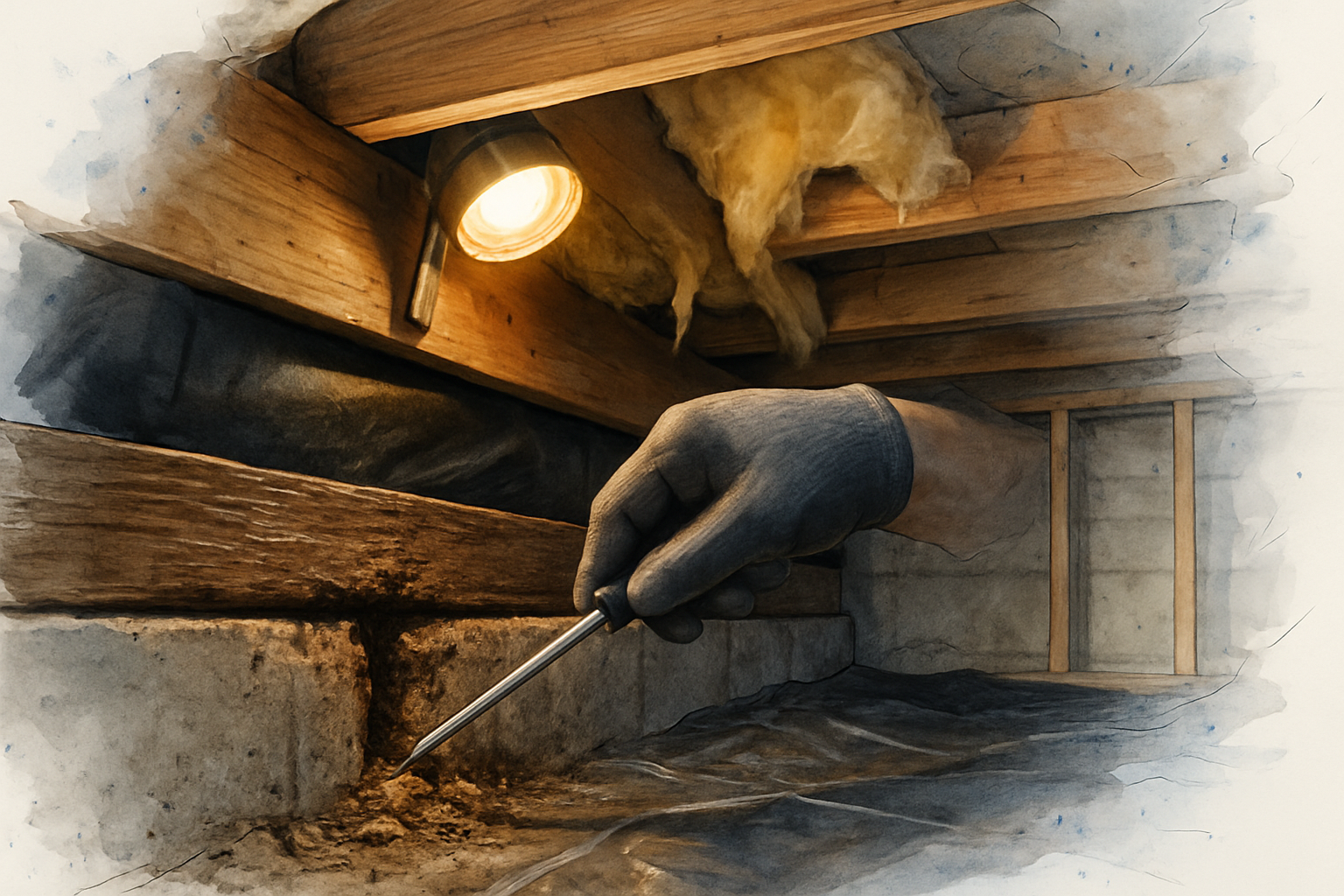
- A strong signal at the work area. This is not a given in Carmel Valley, parts of Pebble Beach, or any crawl space with concrete and foil-faced insulation between you and the tower
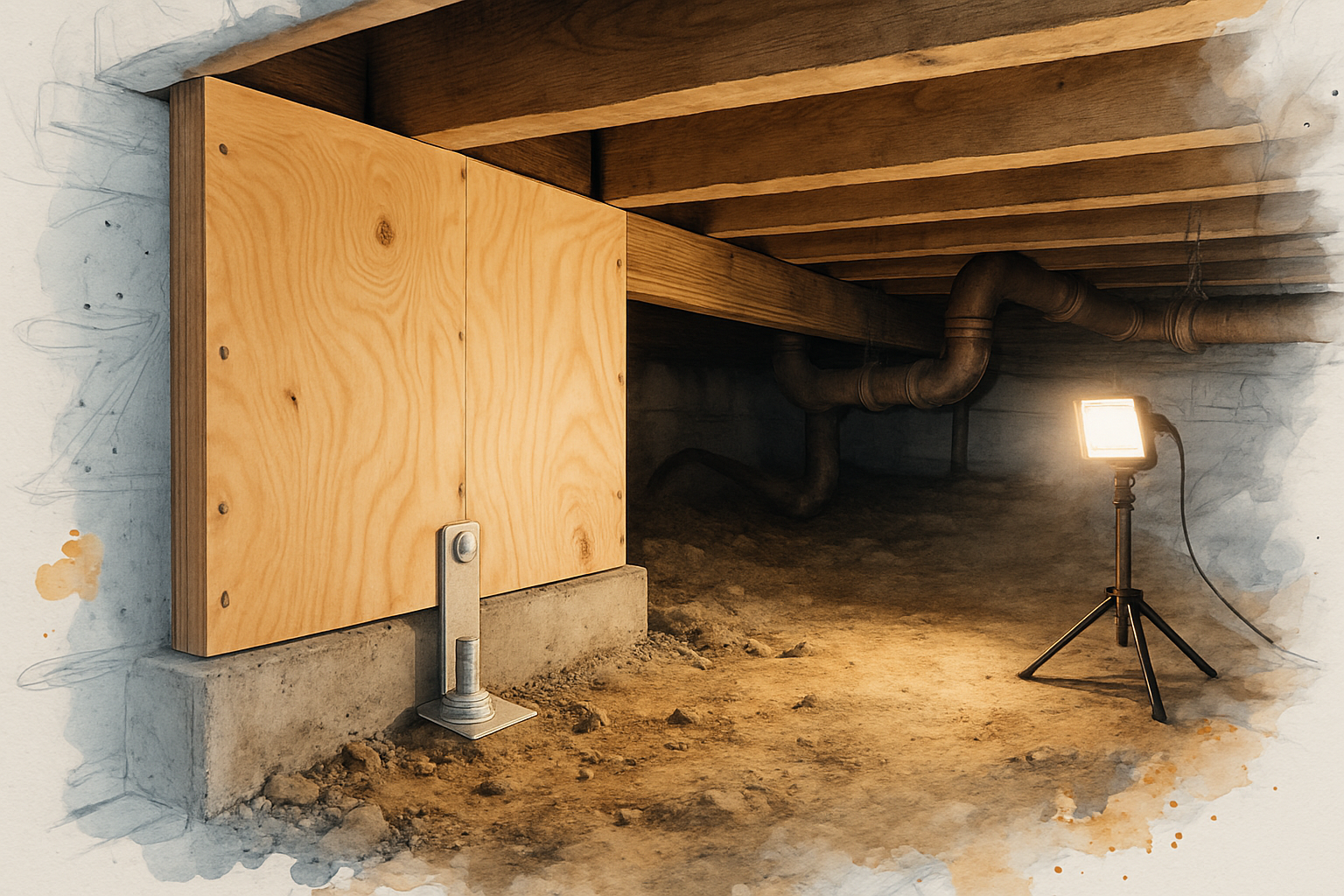
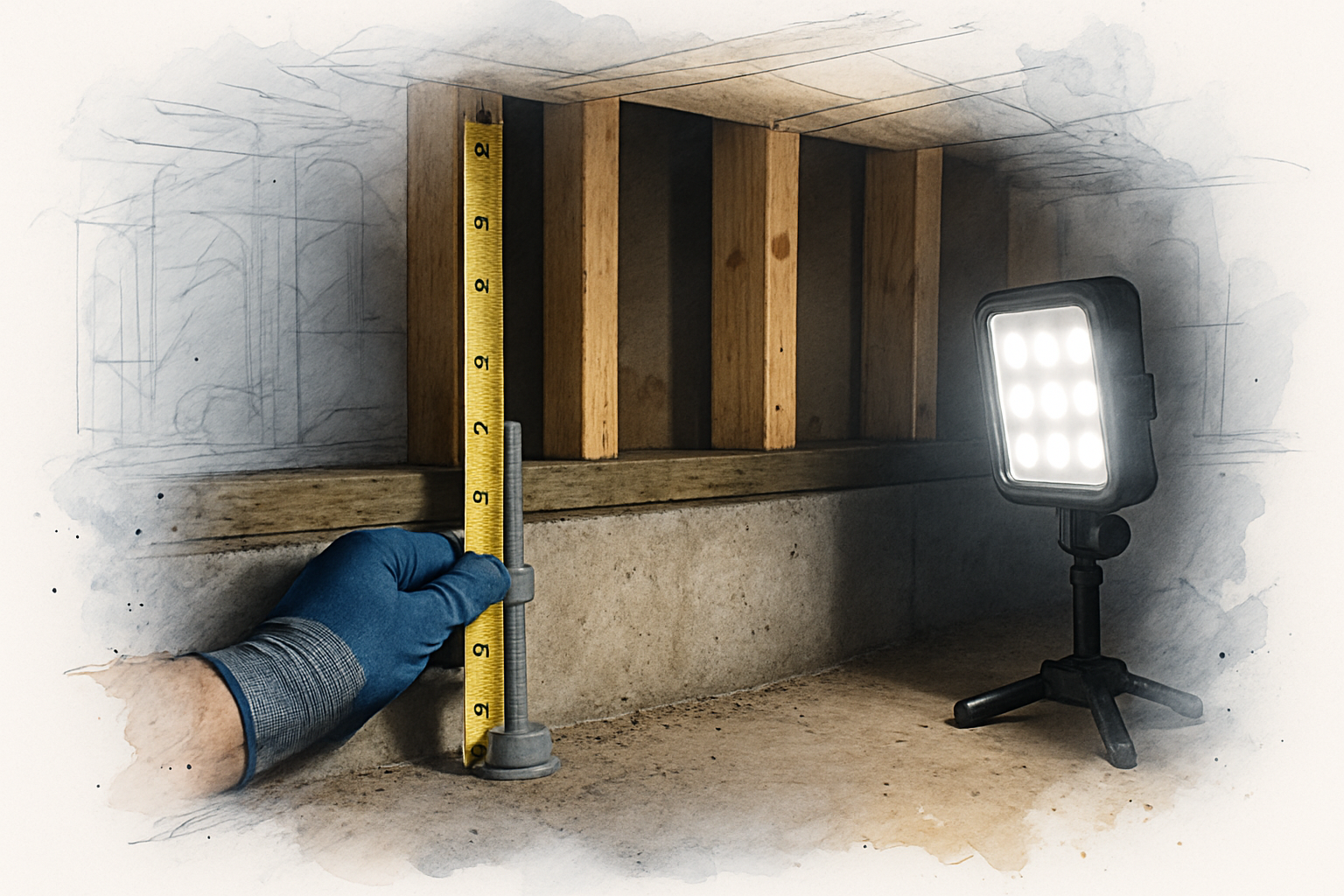
- Real light on the work. Phone flashlights wash out hardware. Work lights on stands show nail patterns and strap placement
- Clean, fully exposed framing. Nothing stacked against walls, no insulation started, no debris in the bays
- A tape measure in frame for spacing, fastener edge distance, and member sizes
- Approved plans on hand so you can jump to a detail if the inspector asks
- Hardware labels visible, since stamped connector numbers answer half the questions before they are asked
One more thing I tell clients. An inspector can still decide an item needs to be seen in person, and plenty of components will stay that way. Treat this as one tool in the schedule, not a replacement for the inspection process.
It also pairs naturally with projects where structural work is the main event. If you are sorting out sequencing on an older home, the order of retrofit and remodel work is worth reading first.
What this does not change about permitting here
This one law does not reshape the local process. The parts that usually add weeks to a Monterey County project are still in place.
Plan review still happens before you break ground. Design review in Carmel-by-the-Sea and historic review in Pacific Grove still run on their own calendars. And Monterey Peninsula Water Management District requirements still apply to plumbing related work, which catches homeowners off guard more than anything else on the Peninsula.
Code scope has not changed either. Whether your project pulls in current structural and energy requirements depends on what you are touching, which I covered in which remodeling scopes trigger the 2025 California Building Code. For ADU timelines specifically, inspections are only one piece of how long an ADU takes from first call to final inspection.
My read is simple. This trims waiting on a narrow set of items, and trimmed waiting adds up across a long project.
Frequently Asked Questions About Remote Building Inspections in California
Does this mean I can skip in-person inspections on my remodel?
No. The law covers certain structural components only, and it gives you the right to request a remote inspection. Your local jurisdiction still runs the process and can require an in-person visit when the work calls for it.
Does it apply to my ADU or a detached guest unit?
The bill language covers homeowners in a single- or two-family dwelling unit requesting remote inspections for certain structural components. Whether a particular ADU permit falls inside that is a question for the building department issuing the permit, since requirements vary by jurisdiction.
Will a remote inspection cost more or less than an in-person one?
The bill language does not set a fee. Inspection costs are normally folded into permit fees, and those are set locally, so ask your city or county for their current fee schedule rather than assuming it shifts either direction.
Does this affect the water permit side of a bathroom or kitchen project?
Not at all. Water fixture rules on the Peninsula run through the Monterey Peninsula Water Management District, and those are a separate approval from building inspections. Plan for both.
Which cities does this apply to?
It applies to local jurisdictions statewide, which includes Monterey, Pacific Grove, Carmel-by-the-Sea, Seaside, Marina, Salinas, Del Rey Oaks, Sand City, and unincorporated Monterey County. How each one implements it as of January 1, 2027 is up to them.
Planning a 2027 project in Monterey County?
If you are mapping out a remodel, addition, or ADU for next year, it helps to understand how inspections fit into the schedule before the first line item is priced. We handle permitting and hands-on project management for homeowners across the Peninsula and Salinas Valley, and we are glad to talk through where a project like yours typically lands. The team can be reached at (831) 220-3334 or at palaciosconstructionca.com. CA General Contractors License #1071780 B.